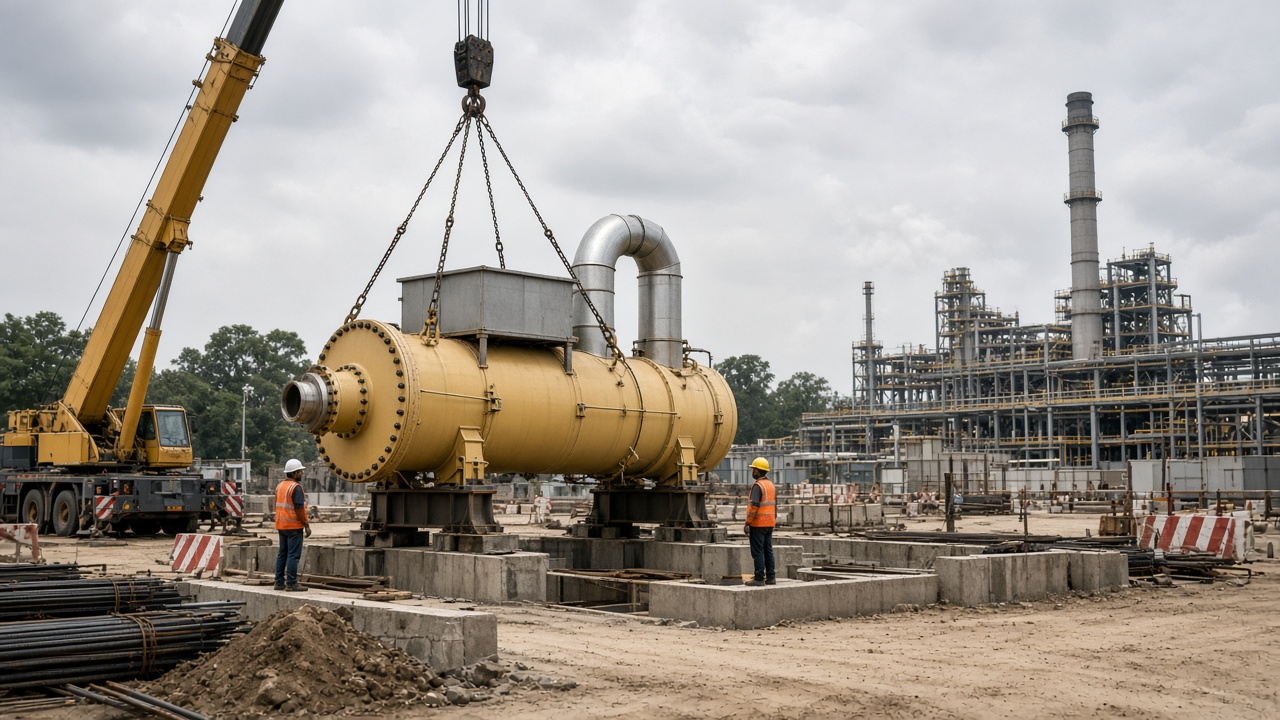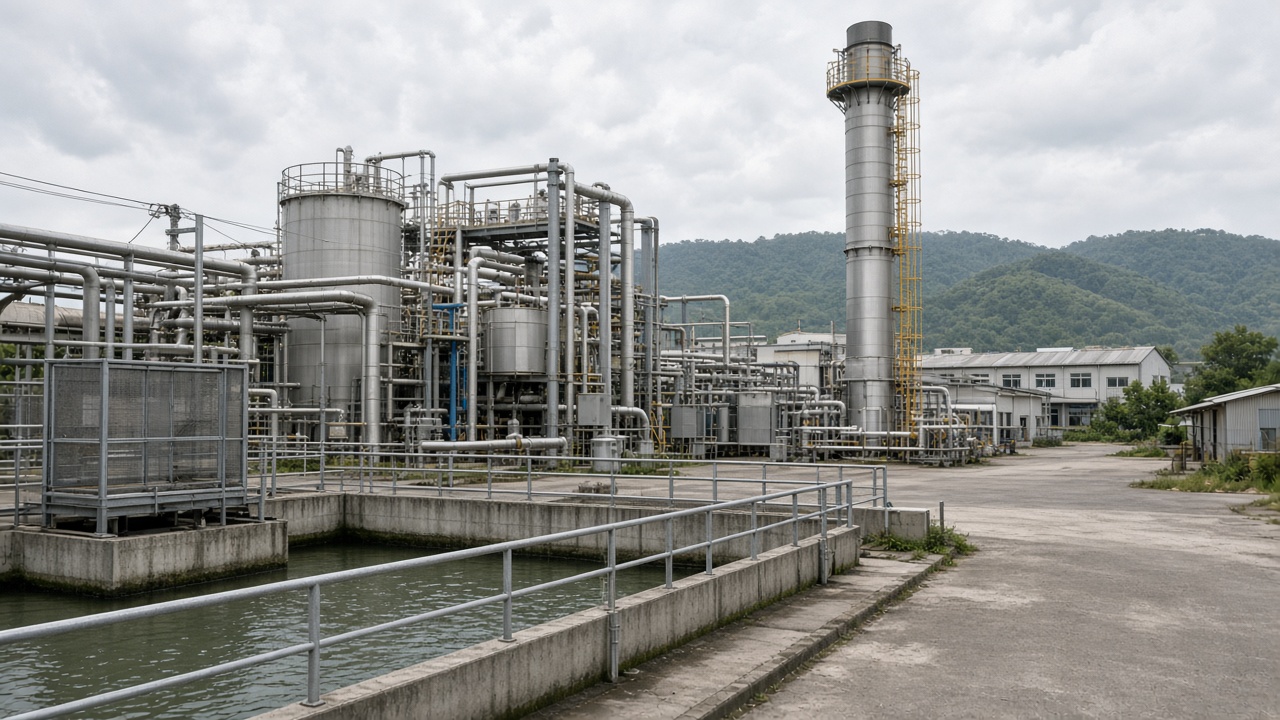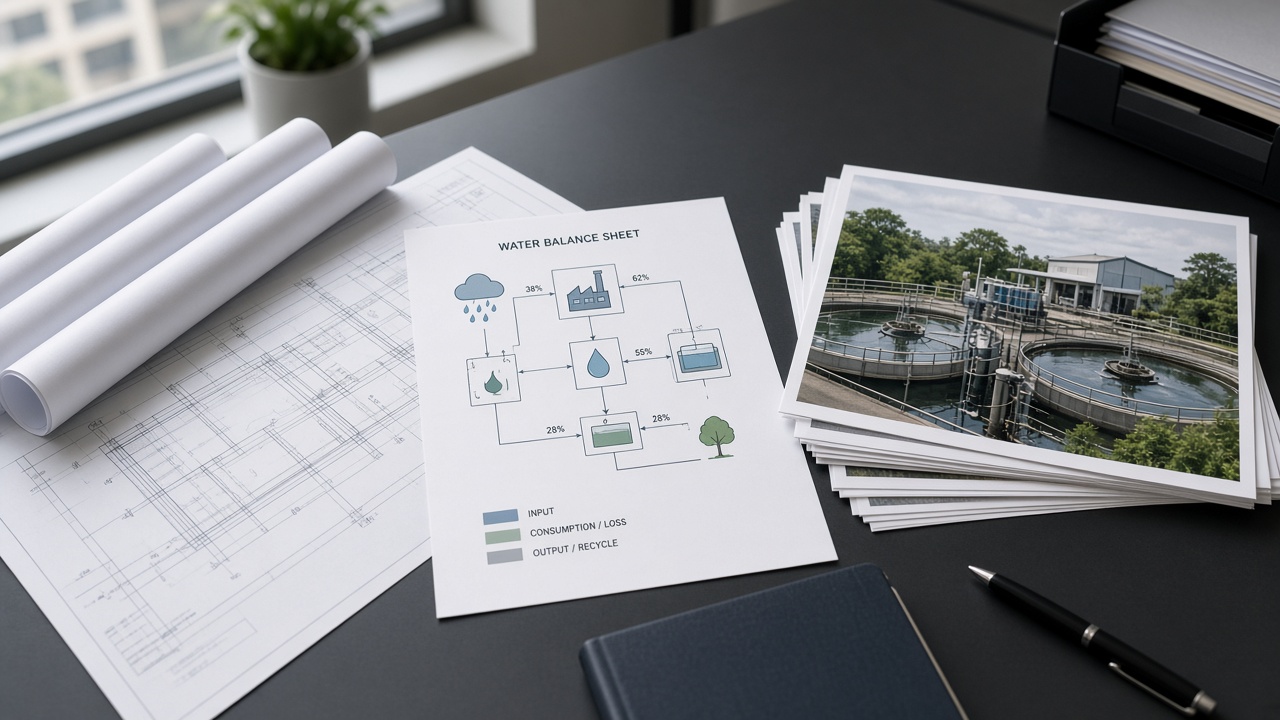
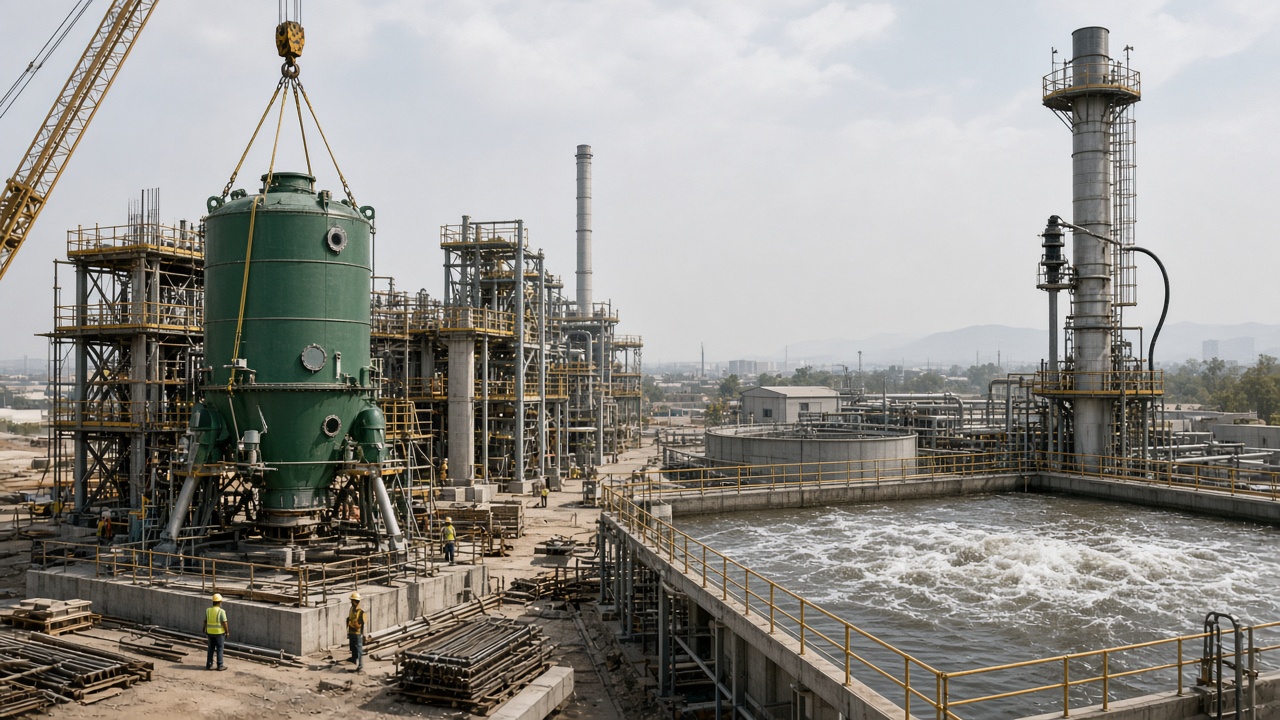
Consent for Establishment (CFE) and Consent for Operation (CFO) from the Karnataka State Pollution Control Board (KSPCB) are related but not interchangeable. CFE addresses whether you may establish a facility as proposed. CFO addresses whether you may operate it within consented pollution-control and capacity limits. Confusing the two is one of the most common reasons Karnataka project teams lose time with regional offices, banks, and site readiness.
This article explains the practical difference, when each consent typically applies, how sequencing works from CFE to CFO, where documents overlap, amendment and renewal pathways, and where consultancy helps — without inventing fees, fixed timelines, or one-size-fits-all legal conclusions. Always verify the current application pathway, category rules, and conditions on the KSPCB portal and in your consent order.
CFE vs CFO at a Glance
| Aspect | CFE (Consent for Establishment) | CFO (Consent for Operation) |
|---|---|---|
| Purpose | Approve establishment of the industry/process as described | Authorise operation within consented limits and conditions |
| When required | Typically before or during establishment / construction of the consented activity | When the facility is ready to operate (and thereafter while operation continues under consent) |
| Project stage | Planning, design, and establishment phase | Commissioning and operating phase |
| Core question | May we build/install this as proposed? | May we run this within stated limits? |
| Typical documents | Project description, layout, process/water balances, proposed pollution-control design, legal/site papers | CFE linkage (where applicable), as-built or updated technical papers, commissioning/compliance evidence, monitoring readiness |
| Relationship to construction/operation | Focuses on what will be built and installed | Focuses on what is ready to run and how it will be controlled |
| Inspection focus | Often design vs site progress / deviation | Operating systems, outlets, waste, monitoring, capacity |
| Amendment trigger | Material change to the approved proposal before or during establishment | Material change to capacity, product, fuel, treatment or pollution load during operation |
| Renewal / continuity | Track validity and conditions; amend if proposal changes | Ongoing compliance, monitoring, and consent renewal before expiry |
| Parallel clearances | May need EC (MoEFCC / SEIAA) before or alongside establishment | Continues alongside EC post-clearance duties where applicable |
What Is CFE?
CFE is KSPCB’s consent to establish — to set up the industrial or other regulated activity in line with the application and conditions. It is the board’s review of whether the proposed location, industry classification, pollution profile, and control measures are acceptable for establishment.
CFE is not a casual “permission to start thinking about environment.” It becomes a reference document for later CFO, inspections, and amendments. What you declare at CFE — products, capacities, water use, effluent and emission estimates, treatment schemes — should match what you later show on site. For a fuller definition, see What is CFE?.
What Is CFO?
CFO is KSPCB’s consent to operate. It is the order that typically sits at the gate during inspections and that lenders and customers often ask for when verifying that a Karnataka facility may run under pollution-control consent.
CFO looks at operational readiness: pollution-control systems in place, storage and monitoring arrangements as conditioned, and alignment with earlier CFE (or prior CFO) where that chain applies. See What is CFO? and the CFO documents checklist.
CFE vs CFO: which one does your project need?
Map the physical activity you intend to the consent stage — not the other way around.
| Project situation | Typical consent focus | Practical note |
|---|---|---|
| New industrial project | CFE first, then CFO before operation | Freeze capacity, water/waste story and treatment scheme before filing CFE |
| Expansion | Often CFE/amendment for the changed scope, then revised CFO | Do not renew silently if capacity, product, fuel or treatment already changed |
| Existing operating unit | Valid CFO (renewal if nearing expiry) | Confirm the plant still matches the last consented description |
| Change in production / process | Amendment or revised CFE/CFO pathway | Disclose early — discovery at inspection is more expensive |
CFE may also sit alongside Environmental Clearance (EC) from MoEFCC / SEIAA Karnataka for scheduled projects. EC and KSPCB consent are separate pathways; sequencing both early avoids stalled civil work.
When CFE is usually the question
CFE commonly applies when you are establishing a new unit, adding a regulated process, or making a change that KSPCB treats as establishment of a new or modified activity — for example a greenfield plant, a new manufacturing line with a different pollution profile, or installation of major pollution-control infrastructure that must be consented before construction proceeds as proposed.
When CFO is usually the question
CFO typically applies when the facility is ready to operate — after establishment measures and pollution-control systems described at CFE (or under prior consent) are in place and you need statutory permission to run. Renewal of CFO keeps that operational permission continuous; see the KSPCB consent renewal process.
Situations where CFO readiness becomes the bottleneck:
- Mechanical completion of ETP / STP / stacks / waste storage
- Trial or commercial production about to start
- Change of ownership or name that must be reflected on the operating consent
- Inspection or customer audit asking for a valid operating consent order
Can a Facility Operate Without CFO?
Where KSPCB consent to operate is required for the activity, operating without a valid CFO (or equivalent valid operating consent under the applicable rules for that category) is a serious compliance risk. Enforcement can include inspections, notices, and further action under the Water Act, Air Act, and related rules — subject to due process and the facts of the case.
Do not rely on informal advice such as “CFE is enough to run trial production.” Map the physical activity you intend (construction vs operation vs discharge) to the consent type KSPCB requires for your category, and verify that against your order and current official guidance. IE-RISE can help with engineering and documentation readiness; legal conclusions about a specific notice or prosecution should involve appropriate legal counsel when needed.
CFE to CFO: Practical Sequence
A workable sequence for many greenfield Karnataka projects looks like this:
- Freeze the project description — products, capacity, water balance, waste streams, fuel, and pollution-control concept.
- Check EC applicability (MoEFCC / SEIAA / PARIVESH pathway where scheduled) in parallel with KSPCB planning.
- Apply for CFE with consistent drawings, balances, and category coding.
- Build only what CFE (and EC conditions, if any) allow — document deviations early for amendment rather than discovering them at CFO.
- Commission pollution-control systems and collect as-built, calibration, and performance evidence.
- Apply for CFO linking to CFE conditions and demonstrating operational readiness.
- Operate within consent — monitoring, registers, waste trails — and plan renewal before expiry.
Expansion projects often insert an amendment or fresh CFE before a revised CFO. The engineering question is always: does the plant on the floor still match the last consented story?
Sequence checklist
- One-page project description frozen and shared with design, finance and EHS
- Industry category checked against current CPCB/KSPCB classification guidance
- EC applicability screened (PARIVESH / MoEFCC / SEIAA Karnataka as relevant)
- CFE annexures consistent across form, layout, balances and process note
- Construction change log started (deviations vs CFE)
- As-built drawings and commissioning evidence packed before CFO upload
- Condition register prepared for operating phase
- Renewal calendar owner named after CFO grant
Documents: Where CFE and CFO Overlap
Both stages need a coherent identity of the unit and a technical story that officers can verify.
| Document cluster | Stronger at CFE | Stronger at CFO | Common mistake |
|---|---|---|---|
| Legal / identity | Authorised signatory, company papers | Same names as earlier consent | Signatory mismatch across stages |
| Land / site | Title, lease, location map | Updated if plot/layout changed | Expired lease not disclosed |
| Process / capacity | Proposed products and loads | Installed capacity evidence | Brochure capacity ≠ nameplate |
| Water / material balance | Design estimates | Reconciled to meters and drains | Peak wash-down omitted |
| Pollution control | Proposed ETP/STP/APC design | As-built + commissioning evidence | Different scheme built silently |
| Monitoring | Planned programme | Calibration and lab trail | Instruments claimed, certificates missing |
| Prior orders | EC / other clearances if any | CFE order + condition closure | Conditions “closed” without evidence |
| Waste | Generation estimates and storage concept | Authorisation, labels, manifests | Storage period unclear |
For a master list spanning CFE, CFO, and renewal, use Documents required for KSPCB consent. For CFO-focused detail, use KSPCB CFO documents required.
Amendment and Renewal
| Situation | Typical pathway to evaluate |
|---|---|
| Same activity, same site, CFO nearing expiry, no material change | Consent renewal |
| Material change in capacity, product, fuel, treatment scheme, or pollution load | Amendment and/or revised consent as KSPCB requires |
| Proposal changes during establishment before CFO | CFE amendment / revised establishment pathway as applicable |
| New unit, major relocation, or break in continuity with prior order | Fresh CFE/CFO pathway |
Do not force a “renewal-only” story if the plant has already changed. Disclosure early is cheaper than discovery during inspection.
Common Mistakes
| Mistake | Why it hurts | Better practice |
|---|---|---|
| Treating CFE and CFO as the same document | Wrong stage filed; construction/operation mismatch | Map activity to establishment vs operation |
| Declaring a small ETP/STP then building differently | CFO / inspection findings | Amend before upload |
| Starting operation while waiting on CFO where required | Enforcement risk | Align trial/commercial start with consent |
| Inconsistent figures across form, report, balance, layout | Queries and delay | One controlled master set |
| Wrong industry categorisation | Wrong scrutiny pathway | See industry categorisation |
| Ignoring DG, boilers, kitchens, labs | Incomplete air/water story | Inventory all sources |
| Filing CFO with outdated CFE-stage drawings | As-built mismatch | Controlled as-built index |
| Letting CFO approach expiry without a file | Continuity risk | Start renewal early |
When to Use a KSPCB Consultant
Consultancy is most useful when the file is technically dense or the risk of mismatch is high: red/orange category units, multi-outlet plants, hazardous waste, EC-linked conditions, amendments after process change, first CFO after a difficult construction phase, or enforcement follow-up. Simpler, stable green/white renewals with clean records are sometimes handled in-house — see KSPCB consultant vs applying yourself.
IE-RISE focuses on engineering-led preparation: aligning layouts and balances with site reality, indexing evidence, and readiness for inspection — not guaranteed statutory outcomes.
Related reading: What is CFE? · What is CFO? · CFO documents · Consent renewal
For hands-on CFE / CFO readiness support in Karnataka, see CFE CFO consultancy.
Common questions
Are CFE and CFO the same consent?
No. CFE addresses establishment of the facility as proposed; CFO addresses operation within consented limits. Treating them as interchangeable is a common cause of delay.
Can I start production with CFE?
Where KSPCB consent to operate is required for the activity, do not assume CFE authorises commercial or trial production. Map the physical activity to the consent type your category requires and verify against your order and current official guidance.
Is CFO required after CFE?
For many greenfield process units, yes — CFE then CFO in sequence. Exact applicability depends on activity, category and change history. Confirm for your unit rather than copying a peer’s pathway.
Can CFE be amended?
Material changes to the approved establishment proposal (capacity, layout, treatment scheme, products) typically need amendment or a revised establishment pathway before you treat the new design as consented. Disclose early rather than discovering the mismatch at CFO.
What happens if CFO expires?
Operating without a valid operating consent where required is a serious compliance risk. Start renewal early enough to assemble monitoring evidence and disclose material changes before expiry — see the consent renewal guide.
Does an apartment STP need KSPCB consent?
Many sewage-generating facilities in Karnataka interact with KSPCB consent rules for STPs above applicable thresholds, but applicability depends on category, capacity and current board practice. Do not assume “apartment” means “no consent” or “automatic consent.” Verify against current KSPCB guidance for your project.
Official sources
Karnataka State Pollution Control Board (KSPCB)
consent, inspection and compliance communications
Central Pollution Control Board (CPCB)
industry categorisation and national guidance referenced by state boards
Water (Prevention and Control of Pollution) Act, 1974 and Air (Prevention and Control of Pollution) Act, 1981
primary statutory frameworks for consent (verify current text and rules)
Environment (Protection) Act, 1986
umbrella framework for related rules where cited
Always verify current application fields, fees and checklists on the live KSPCB portal for your category