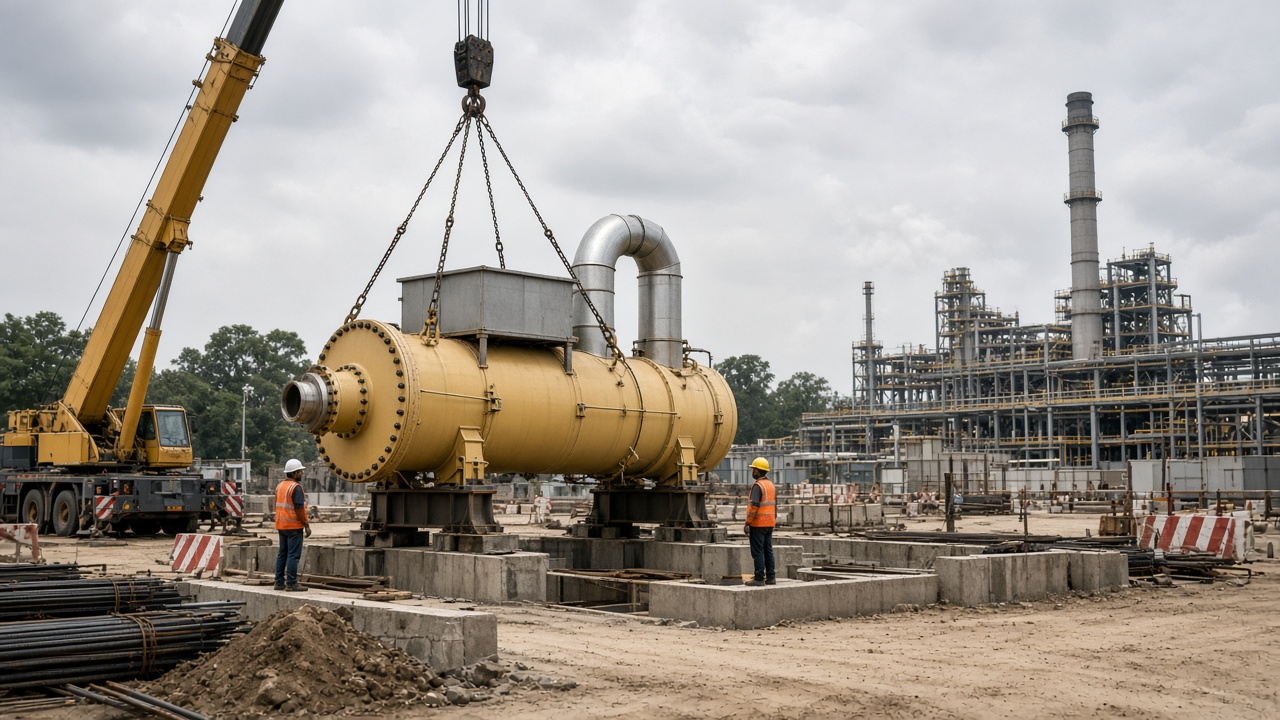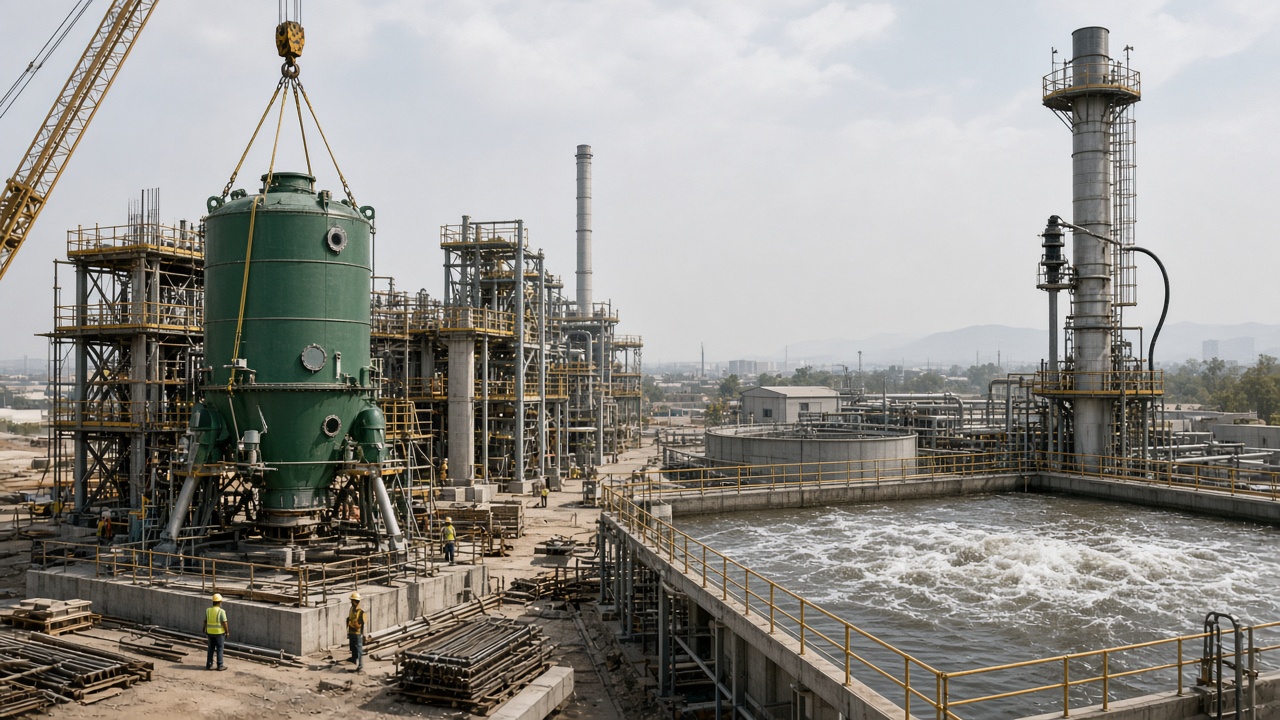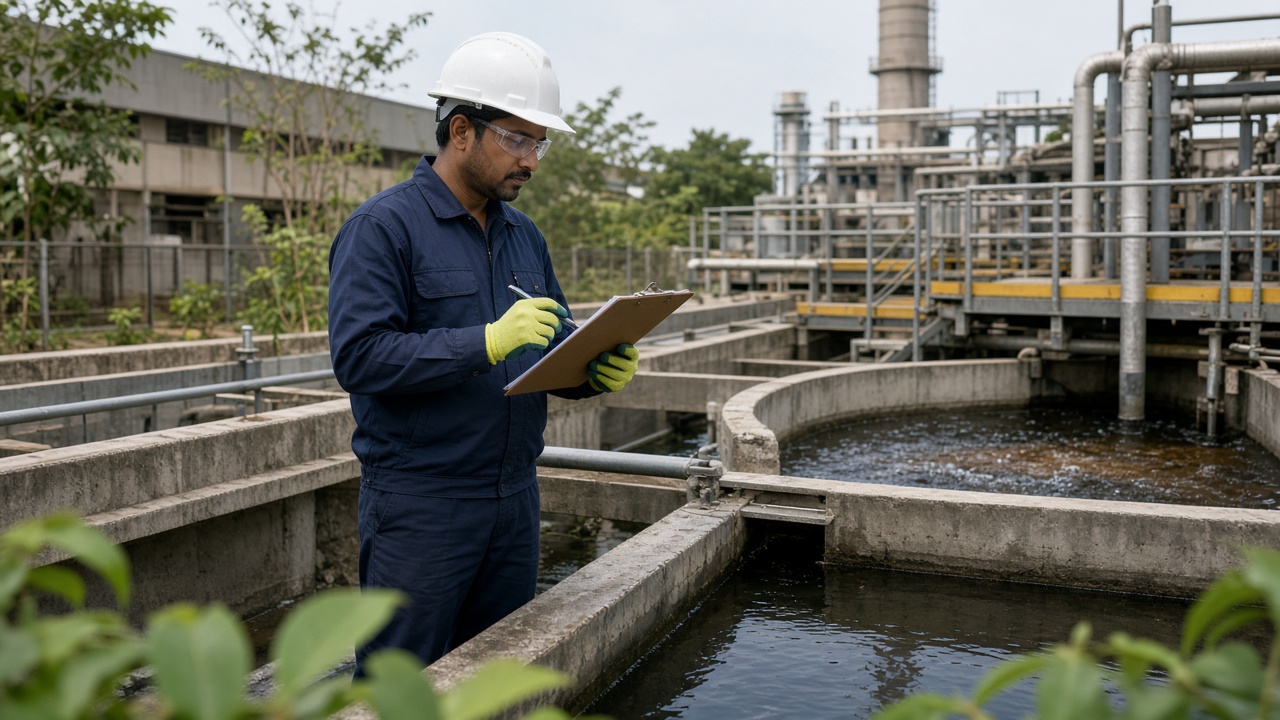
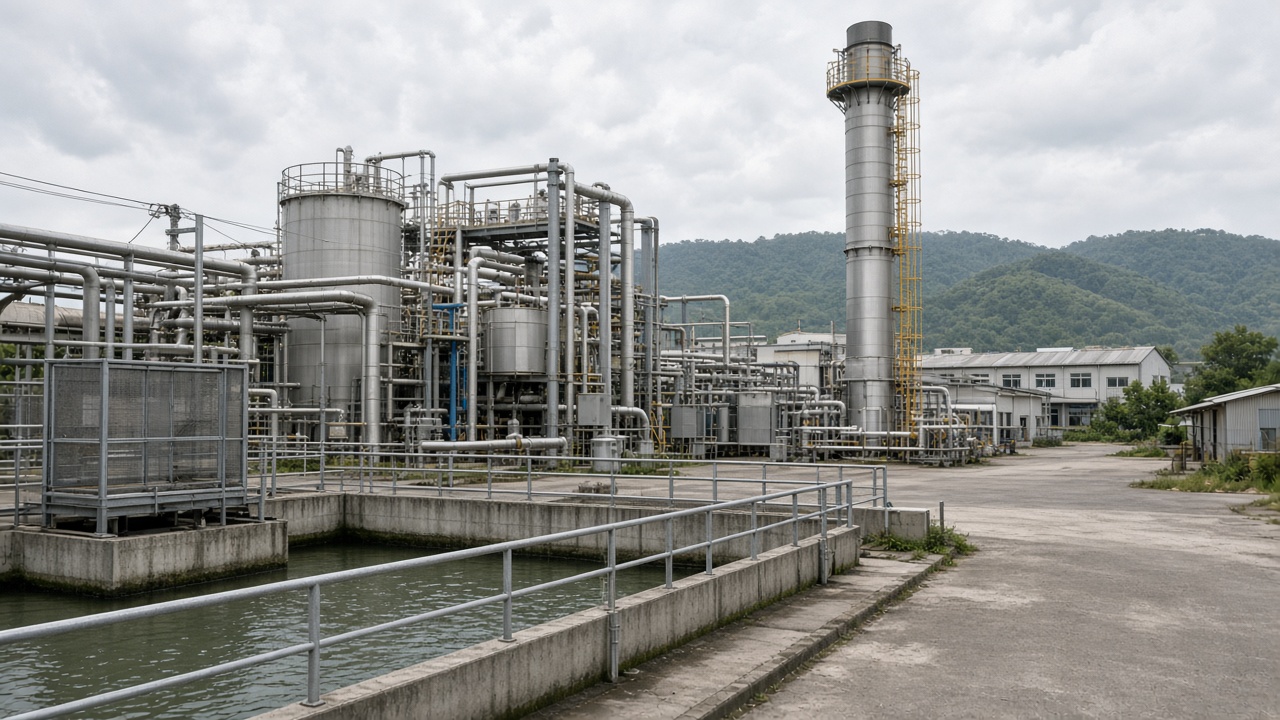
Consent for Operation (CFO) from the Karnataka State Pollution Control Board (KSPCB) permits you to operate the facility after establishment conditions are met (where a CFE stage applied). It is the order officers typically request during inspections, and that banks and customers often ask for in due diligence.
Operating without valid CFO where required exposes the unit to show-cause proceedings and further enforcement under due process. For how CFO differs from establishment consent, see CFE vs CFO in Karnataka.
What Does CFO Mean?
CFO is statutory permission to run within consented pollution loads, outlet standards, monitoring duties and special conditions. It focuses on operational water, air and waste compliance at your fence line — and does not replace Environmental Clearance, forest clearance, groundwater permissions or biomedical waste rules where those apply separately.
When Is CFO Required?
CFO typically applies when the facility is ready to operate: treatment plants commissioned, stacks and waste storage ready, monitoring installed where mandated, and the activity matches what KSPCB expects for operating consent in that category.
Triggers include first-time operation after CFE, restart after long shutdown where consent lapsed, and continued operation under renewal. Confirm category-specific pathways on official KSPCB guidance.
What Does CFO Cover?
Orders commonly specify:
- Validity period
- Permitted capacity and activity description
- Effluent / emission related conditions and outlet standards
- Monitoring frequency and reporting
- Special conditions (for example reuse expectations, groundwater monitoring, CETP membership, noise near sensitive receptors)
Keep the signed order accessible at gate and control room. Train shift leads on sampling points and emergency shut-offs.
What documents are required for CFO?
CFO files emphasise continuity with earlier consent and proof that pollution controls are ready to run:
- Prior CFE / consent order and condition-closure evidence where applicable
- As-built layout and updated process / water / material balances
- Commissioning and performance evidence for ETP/STP/APC
- Lab reports, calibration records and waste authorisations / manifests
- Legal and site papers consistent with earlier filings
See the complete KSPCB CFO document checklist. For the broader CFE → CFO → renewal map, use Documents required for KSPCB consent.
What happens during CFO inspection?
When CFO is assessed on site, officers typically compare the consent story with drains, treatment plants, stacks, waste areas and registers — not only whether a PDF exists in a cabinet. Expect document review, a walk-through of pollution paths, and possible sampling. Preparation guidance: KSPCB inspection process.
CFO renewal in Karnataka
Renew before expiry. Renewal reviews performance data and may adjust conditions if production changed. Treat renewal as a planned project with an owner — not a last-week portal scramble. Learn how CFO renewal works in Karnataka.
CFO amendment vs fresh application
| Situation | Typical pathway to evaluate |
|---|---|
| Same activity, same site, CFO nearing expiry, no material change | Renewal |
| Mid-life change in capacity, product, fuel, treatment or pollution load | Amendment / revised consent as KSPCB requires |
| Break in continuity, major relocation, or new unit | Fresh CFE/CFO pathway |
Do not force a “renewal-only” story if the plant has already changed. Disclosure early is cheaper than discovery during inspection or show-cause.
CFE vs CFO
CFE = establish as proposed. CFO = operate within limits. Sequence and document consistency matter; see CFE vs CFO in Karnataka and What is CFE?.
Common CFO Problems
- Applying for CFO while CFE conditions remain open
- As-built layout that differs silently from CFE
- Trial production without clarity on operating consent status
- Expired CFO during busy production months
- Monitoring schedules that exist only on paper
- Hazardous waste storage beyond authorised periods
Need CFO preparation, renewal or review support in Karnataka? Start with KSPCB consultancy or CFE/CFO consultancy.
Common questions
Does CFO replace CFE?
CFO authorises operation; it does not erase establishment history. Officers often read CFO against earlier CFE conditions and as-built reality.
What documents are required for CFO?
As-built continuity with CFE, commissioning evidence, balances, monitoring and waste trails dominate. See the CFO documents checklist for a stage-by-stage map.
What happens if CFO expires?
Renew before expiry. Operating without valid CFO where required creates enforcement risk. Start the renewal file early enough to disclose changes and assemble monitoring evidence.
Official sources
Karnataka State Pollution Control Board (KSPCB)
consent, inspection and compliance communications
Central Pollution Control Board (CPCB)
industry categorisation and national guidance referenced by state boards
Water (Prevention and Control of Pollution) Act, 1974 and Air (Prevention and Control of Pollution) Act, 1981
primary statutory frameworks for consent (verify current text and rules)
Environment (Protection) Act, 1986
umbrella framework for related rules where cited
Always verify current application fields, fees and checklists on the live KSPCB portal for your category