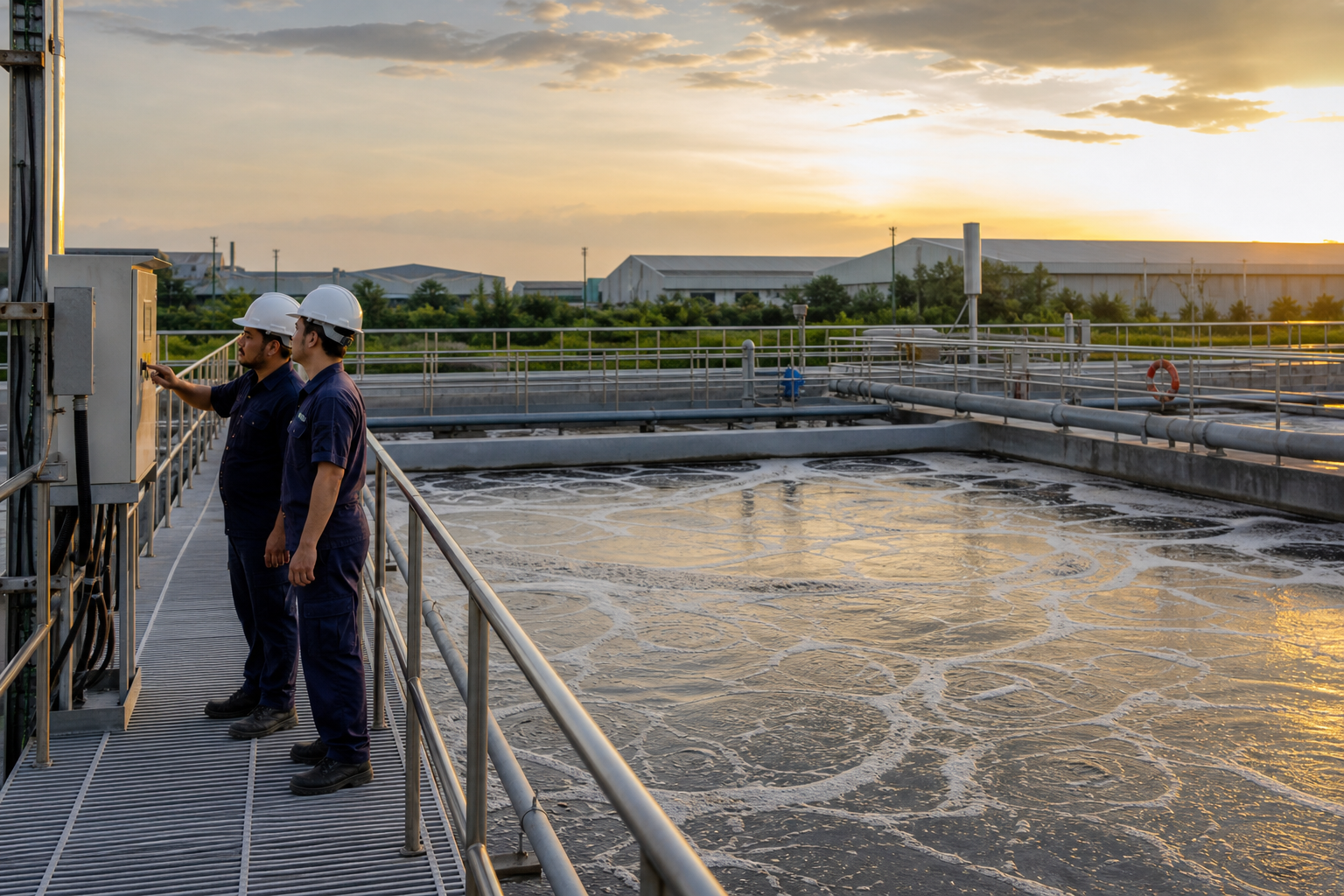
Consent conditions
Operate within CFO limits for effluent, stacks, fuel, and hazardous waste—not just hold the letter.
Regulatory content last reviewed 19 Mar 2026 · IE-RISE consultancy desk
Direct answer
An environmental compliance consultant tracks whether your plant meets KSPCB consent conditions, Environmental Clearance (EC) and Environmental Management Plan (EMP) commitments, and monitoring obligations—not just whether forms were filed. IE-RISE builds compliance matrices from your orders, compares them to operations, labs, and waste manifests, and prioritises corrective actions before inspections or renewals expose gaps.
Scope is tailored to operating facilities, lenders’ due diligence, or post-notice recovery.
Compliance focus
Compliance is more than holding a CFO letter—it is operating within the limits, reporting rhythms, and management practices embedded in that order. In Bengaluru, overlapping mandates from KSPCB, BBMP waste bylaws, and EC schedules create multiple clocks for the same facility. IE-RISE helps HSE teams translate legal language into daily checklists: effluent quality, stack tests, hazardous waste manifests, noise at the boundary, and groundwater protection where applicable.
Operate within CFO limits for effluent, stacks, fuel, and hazardous waste—not just hold the letter.
Six-monthly EMP status kept consistent with KSPCB monitoring and environmental statements.
Recognised labs, sampling locations, and calendars that survive inspection scrutiny.
Renewals, amendments, and process changes gated before commissioning.
KSPCB consent documents specify effluent parameters, stack emissions, fuel types, stack heights, hours of operation, and hazardous waste routing. Deviations—even temporary—can become show-cause grounds if not documented as permitted upsets or reported amendments.
We audit live operations against CFO conditions and flag gaps before renewals or inspections.
Projects with Environmental Clearance must submit six-monthly compliance reports to MoEFCC/SEIAA with EMP implementation status. Data must match KSPCB monitoring and cannot contradict CFO returns.
Our consultants reconcile EC, CFO, and environmental statement figures for Bangalore campuses and industrial sites.
Karnataka facilities rely on MoEFCC-recognised laboratories for effluent, stack, and ambient monitoring. Sampling location, preservation, and method selection affect enforceability during disputes.
IE-RISE specifies monitoring plans, reviews lab COAs, and maintains chain-of-custody records suitable for KSPCB scrutiny.
Effective compliance programs fit the size of the site—a precision engineering unit in Whitefield needs different rigour than a red-category chemical formulation plant in Bidadi.
We implement proportionate SOPs for logbooks, calibration, emergency spills, and contractor control—enough structure to pass inspection, light enough for operators to use daily.
Process changes, new products, or utility upgrades trigger amendment applications. Running changes without KSPCB approval is a common source of renewal queries and penalties.
We embed change review gates so production and maintenance teams know when environmental filings must precede commissioning.
Bangalore facilities face inspections after odour complaints, visible emissions, or hazardous waste storage issues. Rapid technical response limits escalation to closure directions.
IE-RISE supports root-cause analysis, interim controls, and formal replies with realistic remediation timelines.
Large residential projects and healthcare campuses in Bengaluru must maintain STP performance, biomedical waste tie-ups, and DG stack compliance. RWAs and facility managers often lack dedicated environmental staff.
We provide compliance retainers: quarterly reviews, lab scheduling, and KSPCB correspondence support.
Sustainable compliance requires operators who understand why limits exist. IE-RISE delivers briefings for shift in-charges on ETP logs, stack visibility, and waste segregation—reducing repeat findings across audit cycles.
Start from live orders
Map your consent conditions and EC commitments against current operations and records.
Prioritise by enforcement risk
Close monitoring and documentation gaps that most often trigger queries or notices.
Leave an operable calendar
Hand over a schedule operators can follow—not a shelf report—feeding renewals, amendments, and inspection readiness from the same evidence pack.
Managing Director — Environmental Compliance & Pollution Control
IE-RISE's environmental compliance leadership supports ongoing consent-condition tracking, monitoring discipline and industrial environmental management under Karnataka's regulatory framework.
Sustainable compliance is a records discipline: calibration traceability, chain-of-custody, logbooks, and six-monthly EC reporting aligned to CFO data.
Compliance engagements treat each condition as a measurable control with an owner, frequency, and evidence trail. Engagements start from the consent order, clearance letter, or notice text, then reconcile filed data with on-site equipment, monitoring records, and process reality before any submission is drafted.
Compliance work is often ongoing—matrices, monitoring calendars, and implementation support. Audits are point-in-time assessments; both may combine for inspection prep.
Yes. We map overlapping requirements so stack tests, effluent monitoring, and waste reporting satisfy both EC/EMP and consent conditions without duplicate or conflicting data.
Renewal windows, lender covenants, management system certification, expansion plans, or prior KSPCB queries are common triggers—confirmed from your orders.
Yes. Frequencies follow your consent and EMP text, lab accreditation needs, and equipment calibration cycles.
We diagnose root causes—process upsets, treatment bypass, or sampling errors—and draft corrective plans with re-test protocols where appropriate.
When authorisations and manifests are in scope, we review storage, labels, transporter records, and disposal documentation against conditions.
Yes. IE-RISE can coach internal owners while preparing regulator-facing submissions.
Take the next step
Describe your facility, consent status, and whether you need audit, retainer, or notice response support.
Built for attribution, intent, and faster follow-up.
Your information is secure and used only for consultation.
What happens after you submit
A senior consultant reviews your requirement and calls you back, usually within one working day.
You get clear next steps on KSPCB consent (CFE/CFO), STP or ETP plant design, and the documents needed.
Prefer to start small? Ask for a compliance checklist, document list, or an approval timeline instead of a call.
“From compliance to cleaner operations — we help you move forward with confidence.”
Call us
+91 8088971526
Speak to our consulting team.
Email us
info@ierise.in
We'll get back to you soon.
Working hours
Mon - Sat: 10 AM - 7 PM
Office
# 3, Dr. B. R. Ambedkar Veedhi, Bengaluru-560 001
Quick queries? Chat with our team.