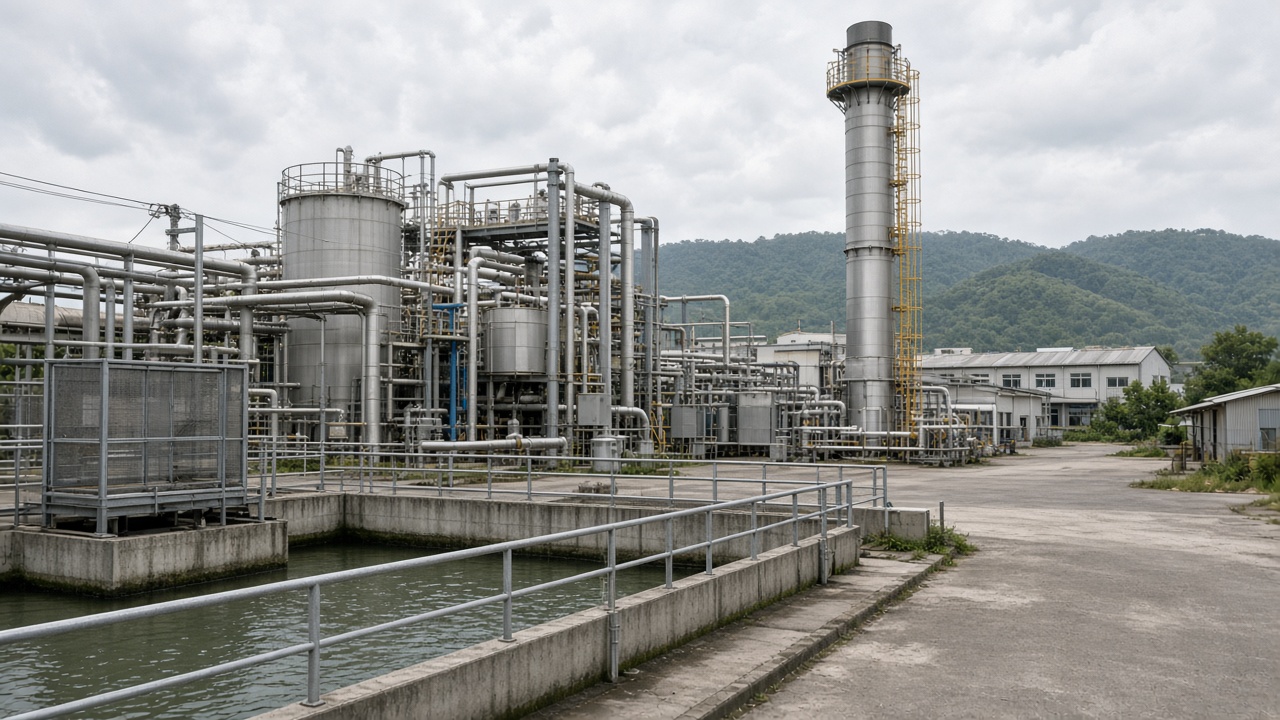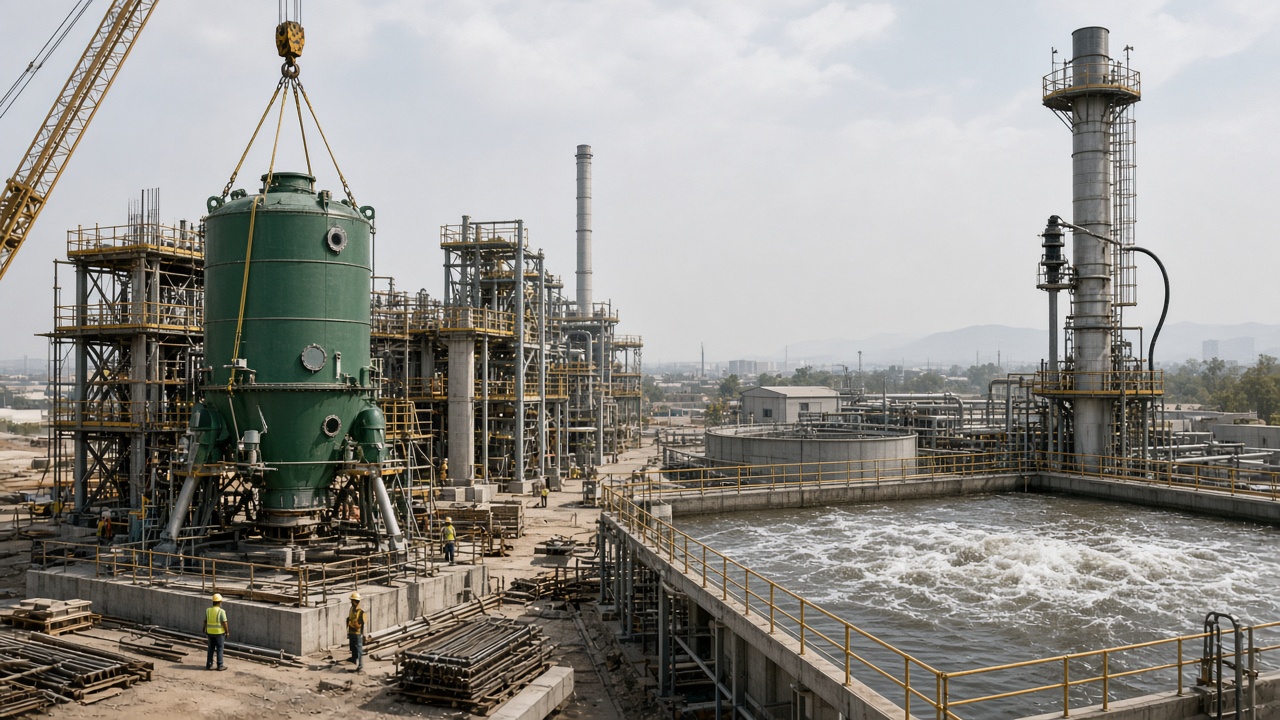
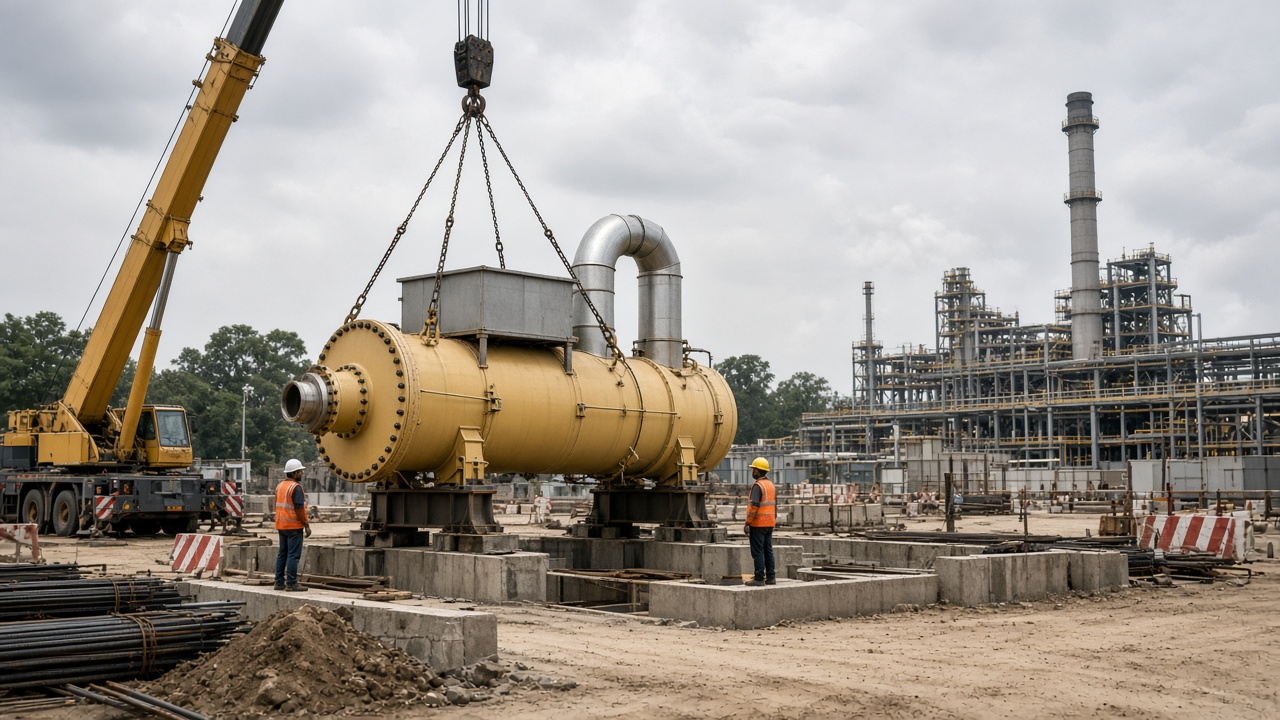
Consent for Establishment (CFE) is issued by the Karnataka State Pollution Control Board (KSPCB) under the Water (Prevention and Control of Pollution) Act and Air (Prevention and Control of Pollution) Act framework (and related rules as applicable). It means the board has reviewed your proposed industry, location and pollution-control plan and agrees you may establish — construct and install — the facility as described, subject to conditions.
CFE is not permission to pollute freely, and it is not the same as Consent for Operation (CFO). For the full comparison, see CFE vs CFO in Karnataka.
What Does CFE Mean?
CFE is the state’s OK for the blueprint to become steel and concrete as proposed. Conditions may address treatment design, stack parameters, monitoring, timelines for completion, and prerequisites such as Environmental Clearance for scheduled projects.
Think of CFE as the first handshake with KSPCB: accuracy here saves years of dispute at CFO and inspection.
When Is CFE Required?
CFE commonly applies when you are establishing a new regulated unit or activity in Karnataka, or making a change that the board treats as establishment of a new or modified process — for example greenfield plants, new manufacturing lines with a different pollution profile, or major treatment infrastructure that must be consented before construction proceeds as proposed.
Exact applicability depends on industry category, scale and current KSPCB practice. White/green/orange/red classification and sector rules affect process intensity; verify against official guidance for your activity. Small or simplified categories may follow lighter procedures but still interact with KSPCB rules where consent is required.
Projects that also need Environmental Clearance should sequence EC and CFE deliberately — they are parallel legal tracks, not substitutes. See when is Environmental Clearance required.
What information is required for a CFE application?
Typical content themes (confirm the current portal checklist for your category):
- Identity of the unit and authorised signatory
- Activity classification and investment / employment
- Products, raw materials, fuels and utilities
- Water consumption and effluent / emission estimates
- Proposed pollution-control measures and site layout
- Land / location papers
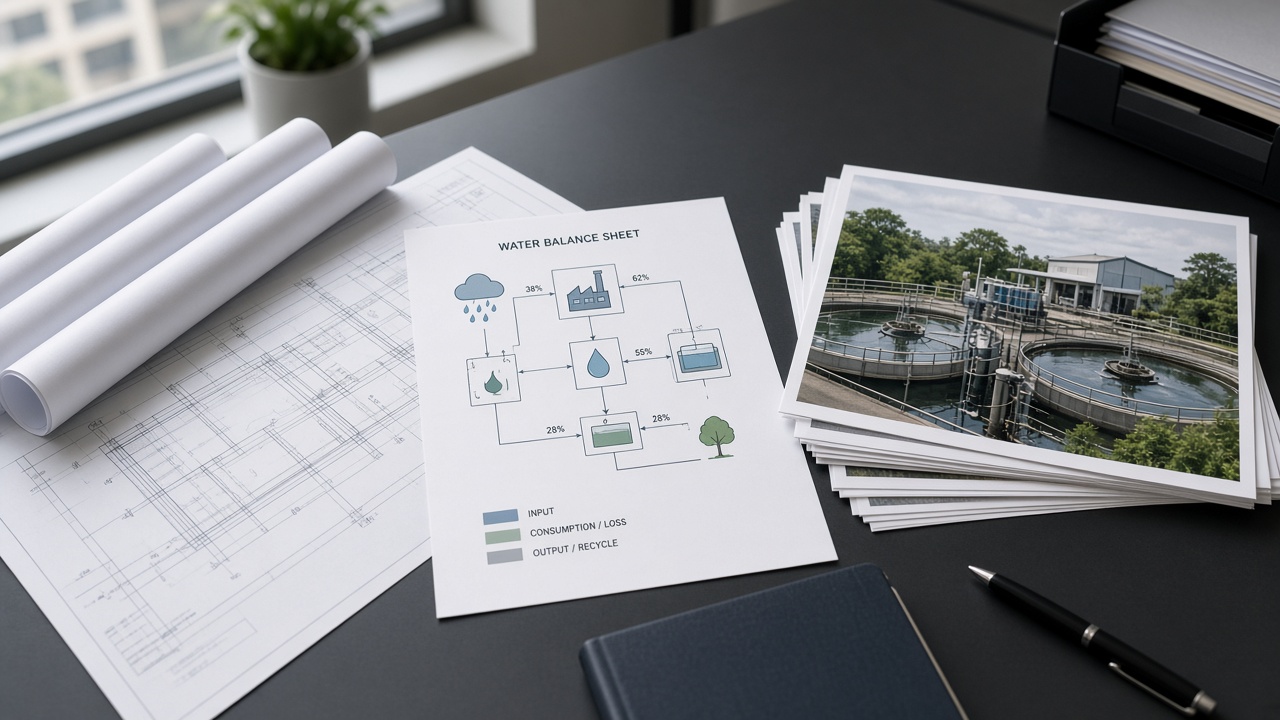
- Water balance, material balance and process description consistent across annexures
Common filing mistakes: underestimating water use, omitting auxiliary boilers or DG sets, mis-sizing ETP for peak wash-down, and selecting the wrong industry code. Each triggers queries or later enforcement when CFO inspection reveals gaps.
What does KSPCB examine before granting CFE?
Officers and technical review typically test whether the proposed facility is coherent and controllable:
- Does the industry category and process description match the pollution profile claimed?
- Are water, wastewater, air and waste estimates internally consistent with layout and capacity?
- Is the proposed pollution-control scheme (ETP/STP, APC, waste storage) sized and located for the loads declared?
- Are land/site papers and signatory details in order?
- Are parallel clearances (for example EC where scheduled) acknowledged where relevant?
CFE is a review of the establishment proposal — not a finding that the plant is already operating correctly. That comes later at CFO and inspection.
How long does CFE remain valid?
Validity is stated on the consent order and varies by category, conditions and current KSPCB practice. Do not assume a universal number of years. Track the expiry or construction window on your order, and treat material changes during establishment as amendment triggers rather than silent redesign. Confirm current validity rules on the KSPCB portal and in your specific order.
What happens after CFE?
A practical post-CFE sequence for many greenfield projects:
- Build and install only what CFE (and any EC conditions) allow
- Keep a construction change log where the as-built starts to diverge from the proposal
- Commission pollution-control systems and collect as-built, calibration and performance evidence
- Close CFE conditions with indexed evidence where required
- Apply for CFO before treating commercial or trial operation as consented
See CFE vs CFO in Karnataka for sequencing and KSPCB CFO documents required for the operating-stage file.
CFE vs CFO
| CFE | CFO | |
|---|---|---|
| Purpose | Establish as proposed | Operate within consented limits |
| Focus | Design and establishment plan | As-built readiness and operations |
| Typical next step | Build and install controls | Commission and run under conditions |
Full comparison: CFE vs CFO in Karnataka. Definition of operating consent: What is CFO?.
CFE Documents
See the master list on Documents required for KSPCB consent. Emphasise proposed layouts, balances and design basis that match the plant you intend to build.
Common CFE Mistakes
- Treating CFE as permission to operate or run extended trial production
- Freezing a marketing brochure instead of an engineering description
- Ignoring EC applicability for scheduled projects
- Letting capacity creep during construction without amendment thinking
- Inconsistent figures across forms, drawings and project report
When to Seek Consultancy
Seek structured help when category is red/orange, hazardous waste is involved, EC runs in parallel, expansion history is messy, or previous filings drew repeated queries. IE-RISE supports CFE applicability and documentation review through CFE/CFO consultancy and KSPCB consultancy.
Common questions
Is CFE permission to operate?
No. CFE is consent for establishment. Operating consent is typically addressed through CFO (or the operating consent pathway applicable to your category).
Can I start production with CFE?
Where operating consent is required, do not treat CFE alone as authorisation for commercial or trial production. Confirm the activity against your order and current KSPCB guidance.
Is CFO required after CFE?
Often yes for greenfield process units — establish under CFE, then seek CFO before operation. Sequence depends on category and project type.
Can CFE be amended?
Yes where the proposal changes materially during establishment. File amendment / revised pathway as required rather than building a different plant silently.
Official sources
Karnataka State Pollution Control Board (KSPCB)
consent, inspection and compliance communications
Central Pollution Control Board (CPCB)
industry categorisation and national guidance referenced by state boards
Water (Prevention and Control of Pollution) Act, 1974 and Air (Prevention and Control of Pollution) Act, 1981
primary statutory frameworks for consent (verify current text and rules)
Environment (Protection) Act, 1986
umbrella framework for related rules where cited
Always verify current application fields, fees and checklists on the live KSPCB portal for your category