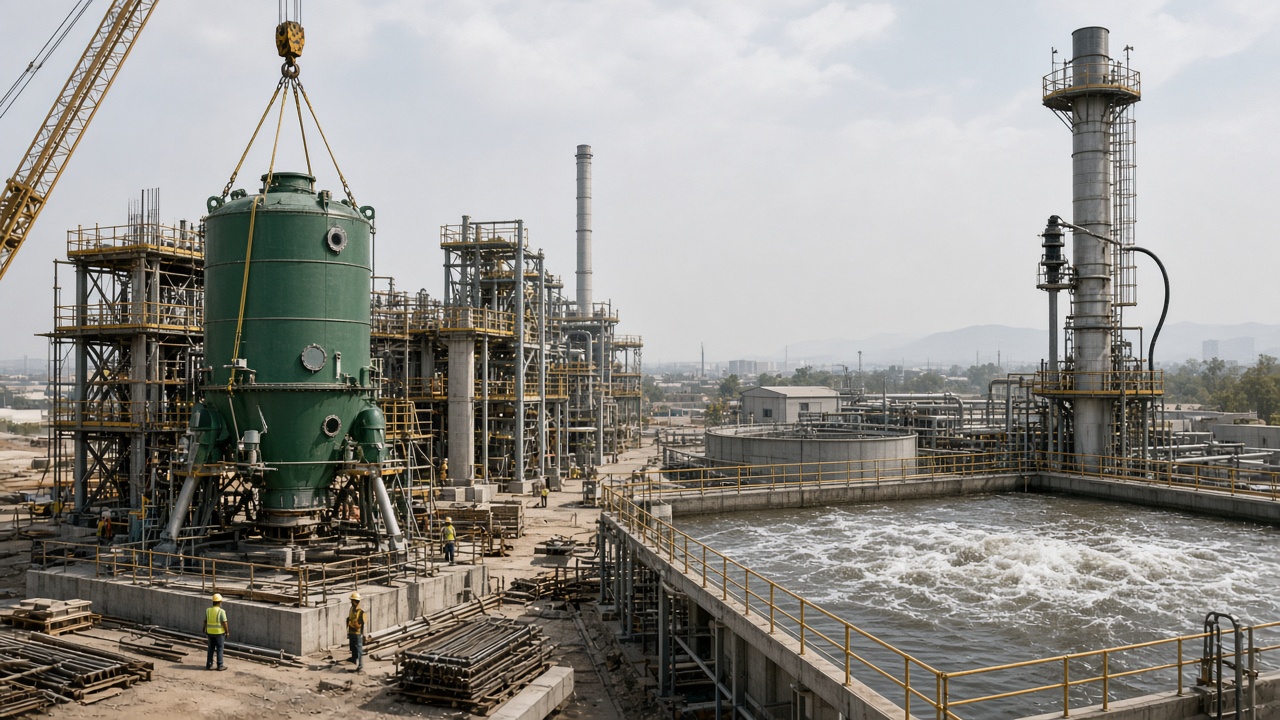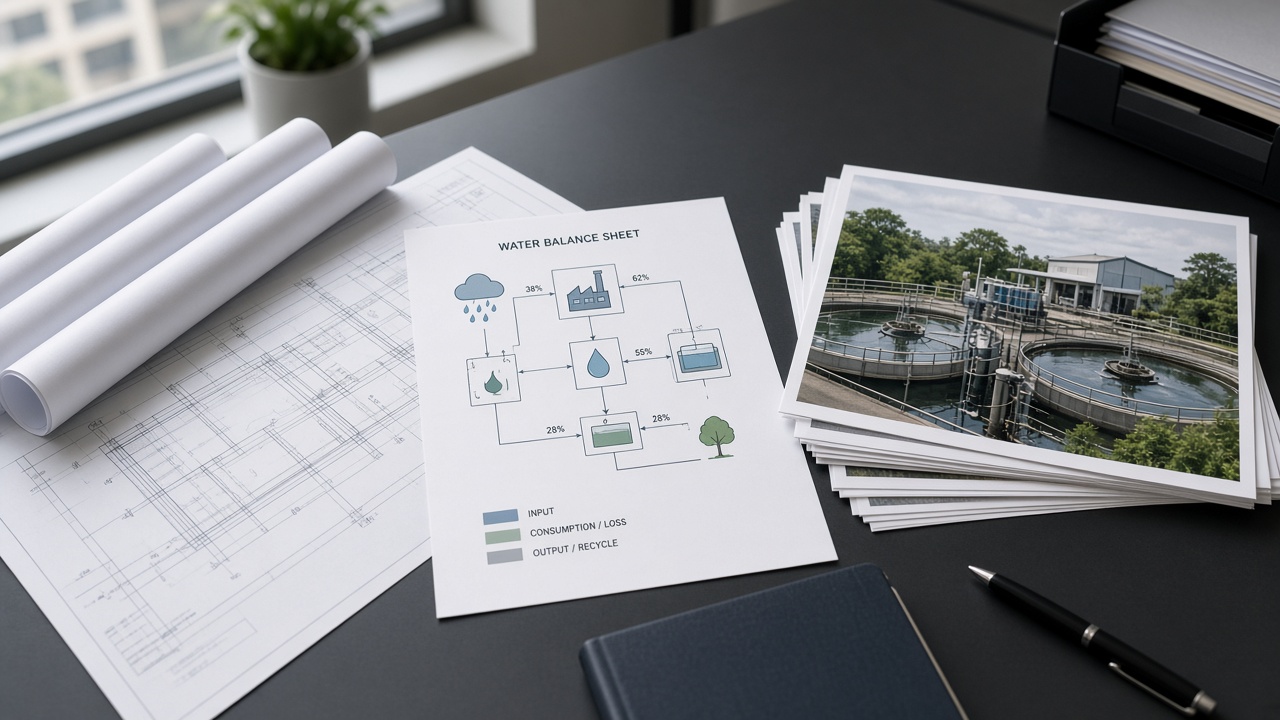
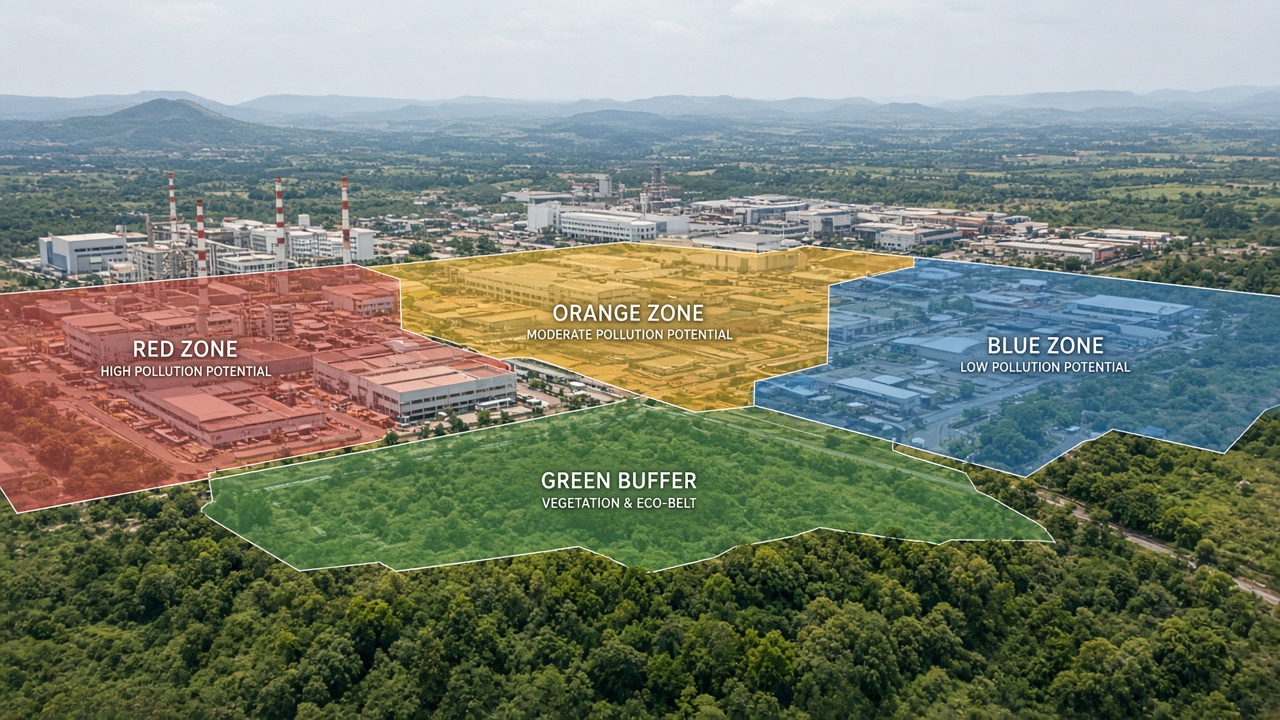
KSPCB industry categorisation is how the Karnataka State Pollution Control Board groups activities by pollution potential for consent and monitoring purposes. Classification affects how your Consent for Establishment (CFE) and Consent for Operation (CFO) applications are scrutinised and what kind of conditions and verification you may face. This article explains the logic — always verify the current official classification framework published by CPCB and applied by KSPCB before filing, because lists and notes are updated over time.
What Is KSPCB Industry Categorisation?
It is the mapping of your industrial or other regulated activity to a pollution category used in consent administration. The category is not a marketing label; it is a regulatory coding of pollution potential based on process type and related criteria in the applicable schedule (the CPCB industry classification concept as adopted/applied for state consent work).
Getting the code right is part of telling a truthful story about what happens inside the fence line — the same discipline needed for CFE vs CFO documentation.
Why Industry Category Matters
Category influences, among other things:
- Depth of technical scrutiny on applications
- Relative intensity of monitoring and inspection expectations (not a fixed “fee = category” rule you should invent from memory)
- Whether simplified pathways may apply for lower-pollution activities under the framework in force
- How expansions or product changes may reclassify the unit
About fees: Consent fee schedules are set by the authority and can change. Do not copy outdated fee charts from blogs or assume a colour band always maps to a single rupee figure. Confirm the fee applicable to your filing on official KSPCB channels at the time you apply.
Wrong classification wastes time: returned applications, mismatched conditions, or enforcement when inspection finds a higher-impact process than declared.
KSPCB red category
Red typically covers higher-pollution-potential activities in the classification schedule. Expect deeper technical scrutiny, fuller documentation for CFE/CFO, and closer attention to treatment, waste and monitoring narratives. Red does not invent a universal fee figure — confirm fees on official channels.
KSPCB orange category
Orange covers intermediate pollution-potential activities. Balances, waste pathways and treatment design still matter; teams often underestimate how much scrutiny orange files receive when process chemistry or effluent is complex.
KSPCB green category
Green covers lower-impact manufacturing or service activities when properly controlled. “Green” does not mean “no conditions” or “no consent.” Honest process description and the correct pathway still apply.
KSPCB white category
White covers specified minimal-potential activities in the framework in force. “Minimal” does not automatically mean “no consent obligation.” Read the official entry for your activity — including notes on scale — before assuming a filing is unnecessary.
Examples vary by the applicable classification schedule; verify the current official category before filing. Authoritative starting points: CPCB industry classification guidance and KSPCB channels as applied in Karnataka.
How to find the correct category for your industry
Practically, classification follows:
- Accurate description of primary products and processes
- Identification of pollution sources (effluent, emissions, hazardous waste, noise)
- Matching that description to the official schedule / list in force
- Checking whether multiple activities on one plot require the stricter applicable entry
- Re-checking after expansion, new product lines, or fuel changes
Supporting units matter: electroplating job-work added to a fabrication shop, solvent cleaning, or a large DG cluster can change how officers read your file even if the “main” product sounds low-impact.
Examples by Industry Type
Examples below are illustrative of how thinking works, not a substitute for the official list:
| Activity sketch | Classification question to ask |
|---|---|
| Bulk chemicals / pharma intermediates | Which schedule entry matches the actual chemistry and waste? |
| Metal finishing / electroplating | Is plating the primary activity or an undeclared add-on? |
| Food processing with high organic effluent | Does scale and effluent character push a stricter band? |
| Fabrication with only oily wash and painting | Are paint booths / solvents declared? |
| IT campus / hotel / hospital | Which checklist entries apply for sewage, DG, biomedical waste? |
| Warehouse / trading with no process effluent | Does any packaging, cold storage, or DG change the entry? |
Always resolve against current CPCB/KSPCB documents — not this table alone.
Does category affect CFE/CFO requirements?
Yes — qualitatively. Category shapes documentation depth for CFE and CFO, relative intensity of technical review around renewal, and how officers read pollution-control claims. It is related to but not identical to EIA project categorisation under MoEFCC / SEIAA rules.
A unit in a stricter band that skips required EC or understates hazardous waste will stall even with neat drawings.
Category review checklist
- Process description matches shop-floor reality
- All significant pollution sources listed (including auxiliaries)
- Official schedule entry identified and dated (version/note captured)
- Multi-activity plot checked for stricter applicable entry
- Expansion / fuel / product changes re-screened
- Fee (if any) confirmed from current official schedule — not memory
What happens if your industry category is wrong?
If you suspect misclassification:
- Re-read the official entry against process flow and mass balance
- Document why another entry fits better (or why the stricter one applies)
- Correct the application before grant where possible
- Seek amendment / revised consent if the plant has already changed
- Avoid “shopping” for the lightest band without engineering justification — inspection will test the claim
Wrong classification wastes time: returned applications, mismatched conditions, or enforcement when inspection finds a higher-impact process than declared.
IE-RISE can help map activities to a coherent consent strategy; the statutory decision on category remains with the authority applying the framework in force.
Unsure which category applies? Request a review via KSPCB consultancy.
Common questions
Who decides the category?
Category follows CPCB/KSPCB classification guidance for the activity as described. Mis-coding the industry type can put the file on the wrong scrutiny pathway.
Do white and green categories need no consent?
Do not assume “lighter category” means “no consent.” Confirm applicability and process for your specific activity on current official guidance.
Official sources
Karnataka State Pollution Control Board (KSPCB)
consent, inspection and compliance communications
Central Pollution Control Board (CPCB)
industry categorisation and national guidance referenced by state boards
Water (Prevention and Control of Pollution) Act, 1974 and Air (Prevention and Control of Pollution) Act, 1981
primary statutory frameworks for consent (verify current text and rules)
Environment (Protection) Act, 1986
umbrella framework for related rules where cited
Always verify current application fields, fees and checklists on the live KSPCB portal for your category