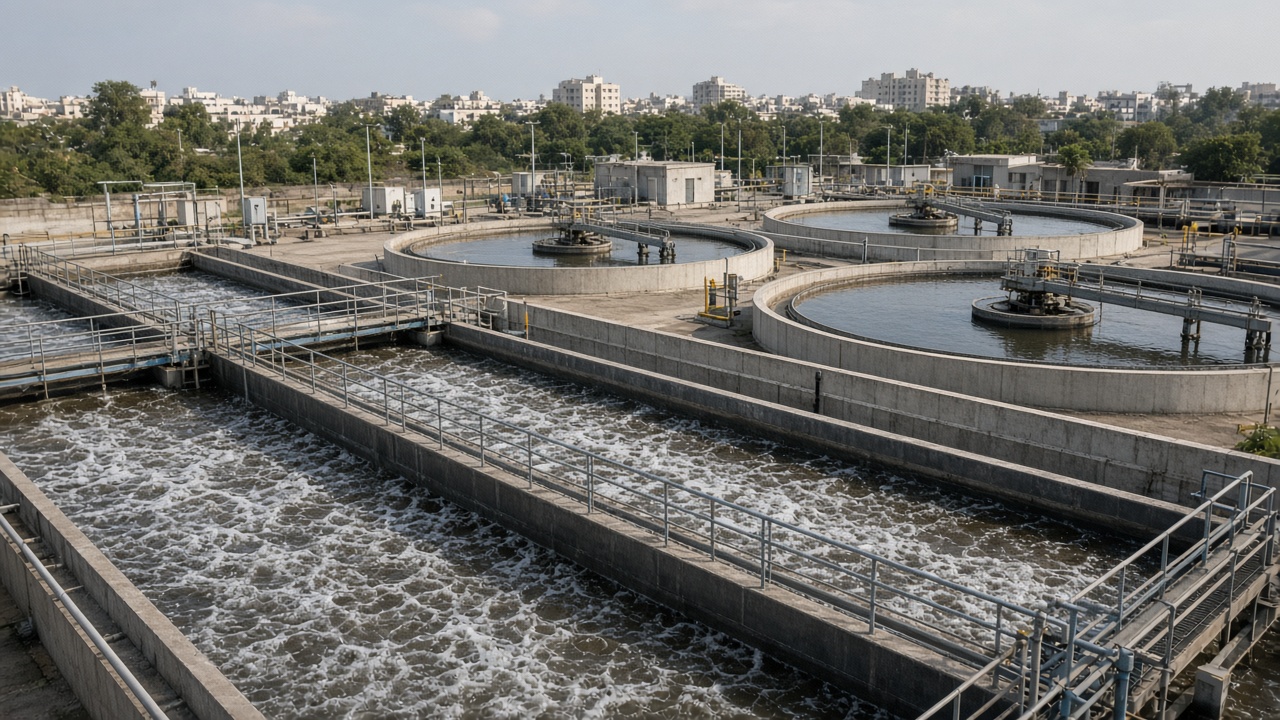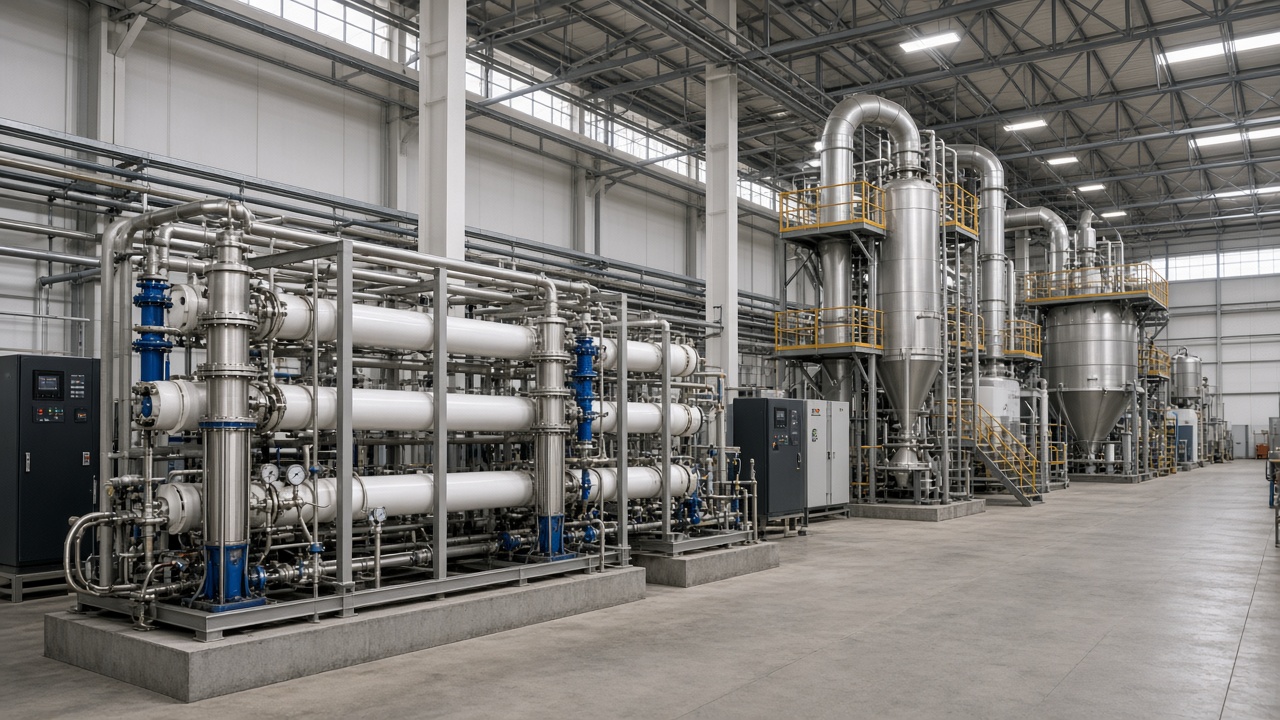
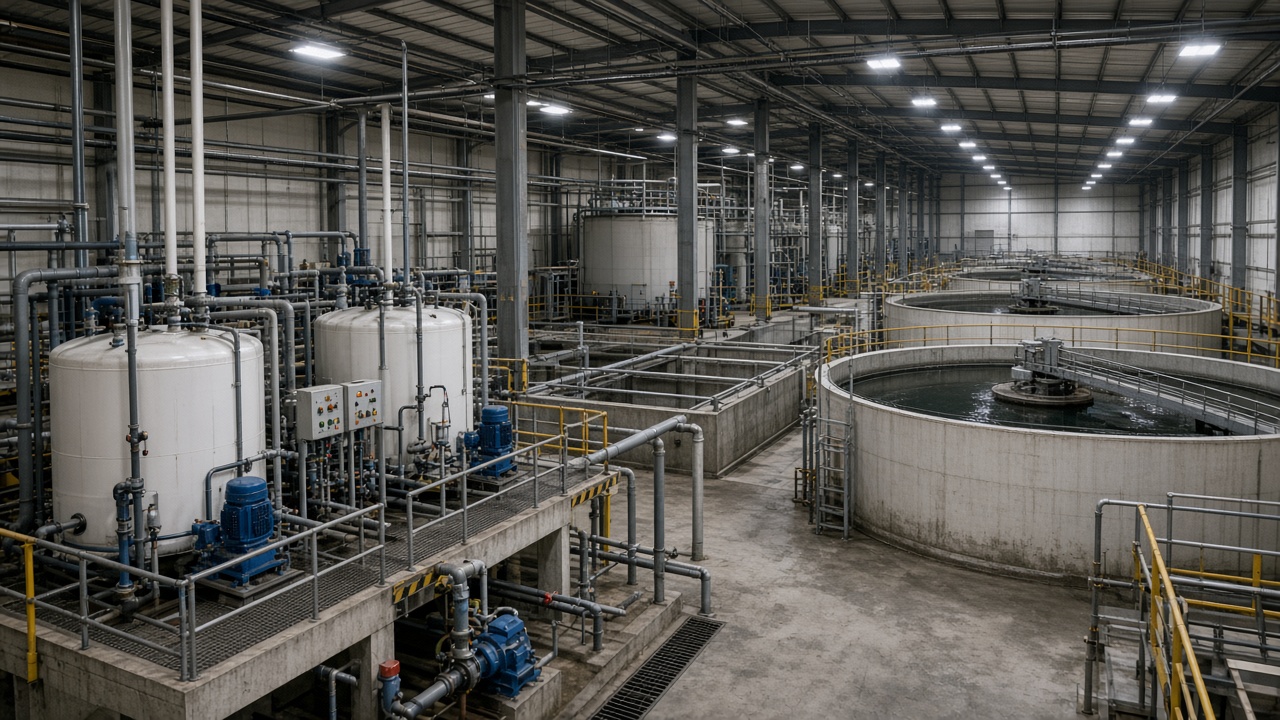
An Effluent Treatment Plant (ETP) treats wastewater from industrial processes — rinsing, cooling, boiler blowdown, floor wash and product-specific streams — so quality meets standards before discharge to sewer, surface water, CETP or reuse. Karnataka manufacturing, pharmaceuticals, textiles, metal finishing and food processing rely on ETP performance for CFO continuity.
What Is an Effluent Treatment Plant?
An ETP is a train of physical, chemical and/or biological unit operations sized to the facility’s effluent character. It is not interchangeable with an STP, which targets domestic sewage — though some sites operate both.
Why Industries Need ETPs
Without adequate treatment, process wastewater can exceed consented outlet limits, damage CETP inlet quality, contaminate storm drains and trigger KSPCB enforcement. Consent orders typically bind the unit to treatment capacity, monitoring and no-bypass expectations.
How an ETP Works
Not every plant uses every stage; sequence follows characterisation.
Screening
Protects pumps from solids and trash.
Equalisation
Smooths shock loads from batch production — often the most underrated unit.
pH correction
Brings wastewater into a treatable range before coagulation or biology.
Primary treatment
Coagulation-flocculation and settling remove suspended solids and some organics/metals depending on chemistry.
Biological treatment
Used when biodegradable organic load permits; toxic shocks and oil can kill biology if pretreatment is weak.
Tertiary treatment
Filtration, carbon, advanced oxidation or other polishing for difficult parameters.
Sludge management
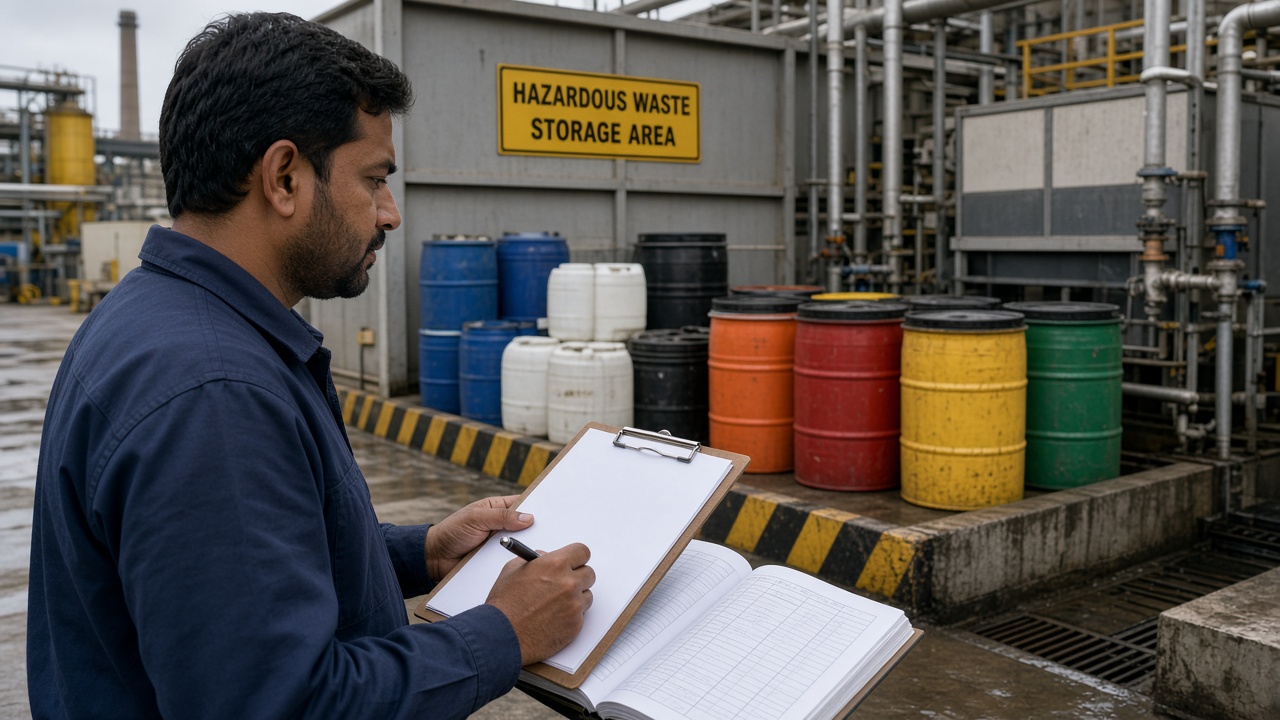
Chemical and biological sludge require authorised handling — disposal is part of compliance, not an afterthought.
High-recovery or ZLD trains may sit downstream where consent or water scarcity requires them.
How ETP Design Depends on the Industry
Textiles, plating, pharma and food each present different COD, metals, oils, colour or salinity challenges. Design must follow laboratory characterisation and variability — not a copied neighbour’s flowsheet. CETP members must still meet inlet norms with honest pretreatment.
Key Parameters to Monitor
Track what your consent and process demand — commonly pH, BOD/COD, TSS, oil & grease, specific metals or sector parameters, and flow. Investigate outliers; do not only file passing sheets.
ETP Operation Problems
- Equalisation bypassed or too small
- Chemical dosing based on yesterday’s recipe after a product change
- Biology shocked by toxic batches
- Sludge backlog and poor dewatering
- Night-shift informal bypass into storm lines
- Instruments uncalibrated
ETP Compliance and KSPCB
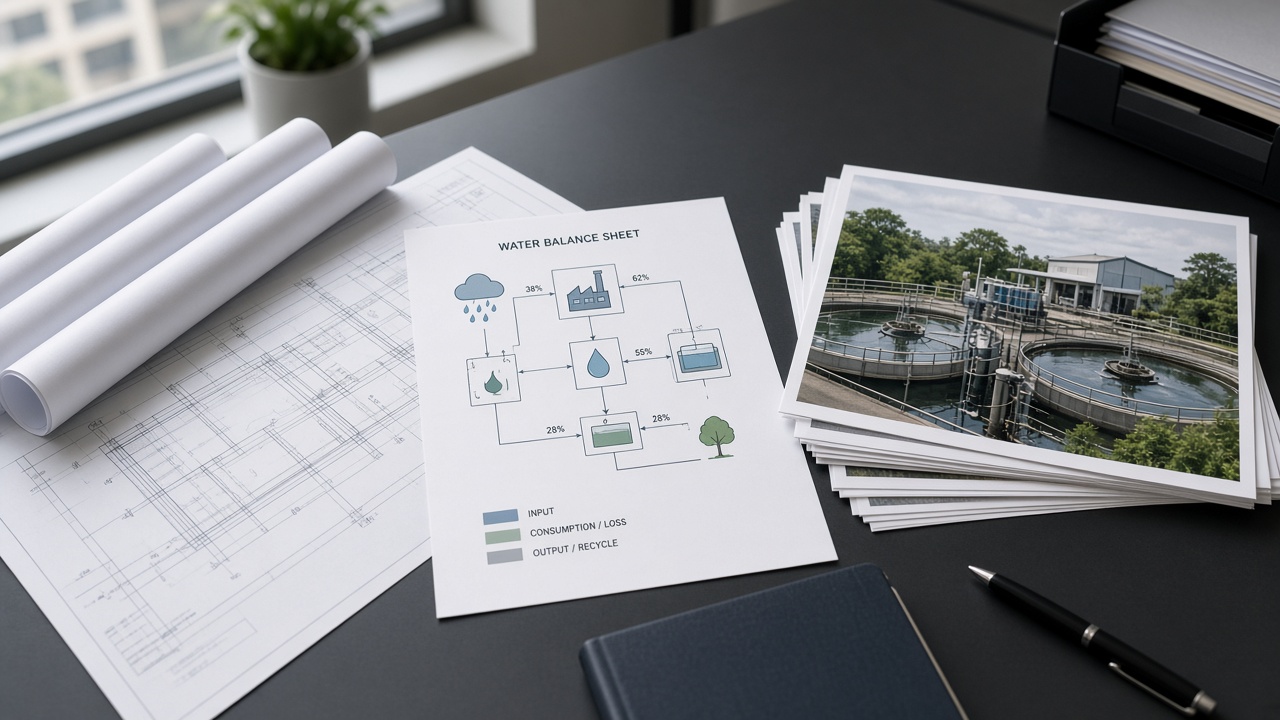
Consent spells outlet limits and monitoring. Bypassing treatment can create significant regulatory and commercial risk. Keep as-built drawings, O&M logs and lab data aligned with CFO documents and renewal files.
ETP vs STP
| ETP | STP | |
|---|---|---|
| Wastewater type | Industrial process effluent | Domestic sewage |
| Typical sites | Factories and process industries | Apartments, campuses, hotels, hospitals |
| Design driver | Process chemistry and peak wash loads | Occupancy / peak hour sewage |
| Related guide | This page | What is an STP? |
Do not treat STP and ETP as interchangeable. Industrial chemistry can destroy sewage biology; sewage loads can under-utilise an ETP sized for process peaks. Related: ZLD where high recovery is required.
When an ETP Requires Professional Assessment
Seek review when outlet trends fail, production mix changes, capacity is expanding, CETP rejects loads, or inspection findings cite treatment. IE-RISE: ETP consultancy and broader wastewater consultancy.
Common questions
What is the difference between ETP and STP?
ETP treats industrial process effluent; STP treats domestic sewage. Do not route incompatible industrial chemistry into an STP.
How does ETP relate to KSPCB consent?
Consent typically binds outlet standards, monitoring and no-bypass expectations. ETP as-built and performance evidence dominate CFO and renewal files.
Official sources
Karnataka State Pollution Control Board (KSPCB)
consent, inspection and compliance communications
Central Pollution Control Board (CPCB)
industry categorisation and national guidance referenced by state boards
Water (Prevention and Control of Pollution) Act, 1974 and Air (Prevention and Control of Pollution) Act, 1981
primary statutory frameworks for consent (verify current text and rules)
Environment (Protection) Act, 1986
umbrella framework for related rules where cited
Always verify current application fields, fees and checklists on the live KSPCB portal for your category