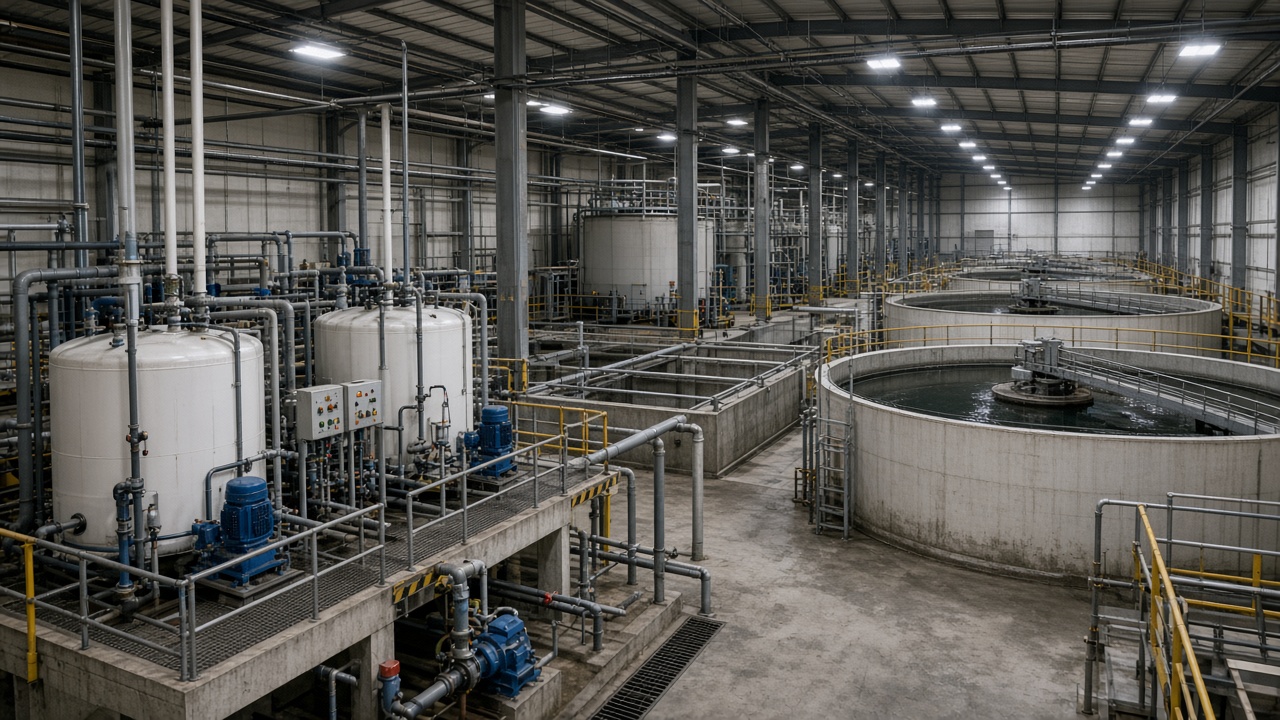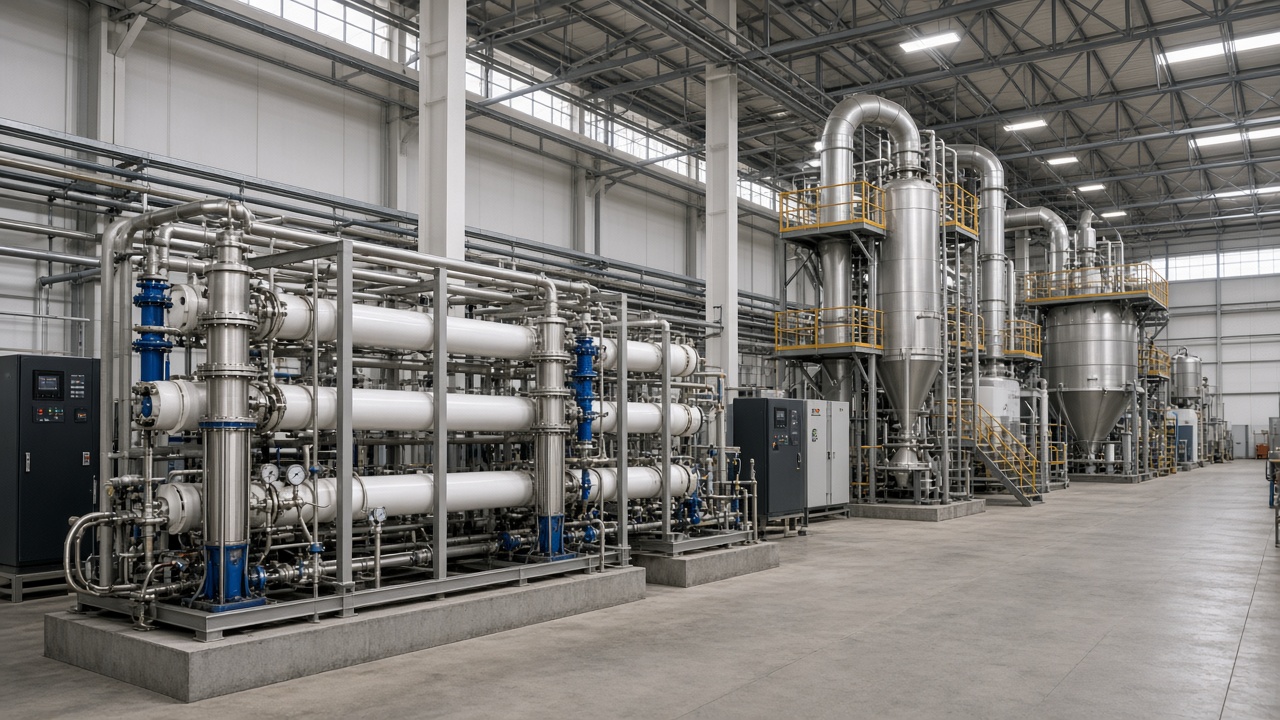
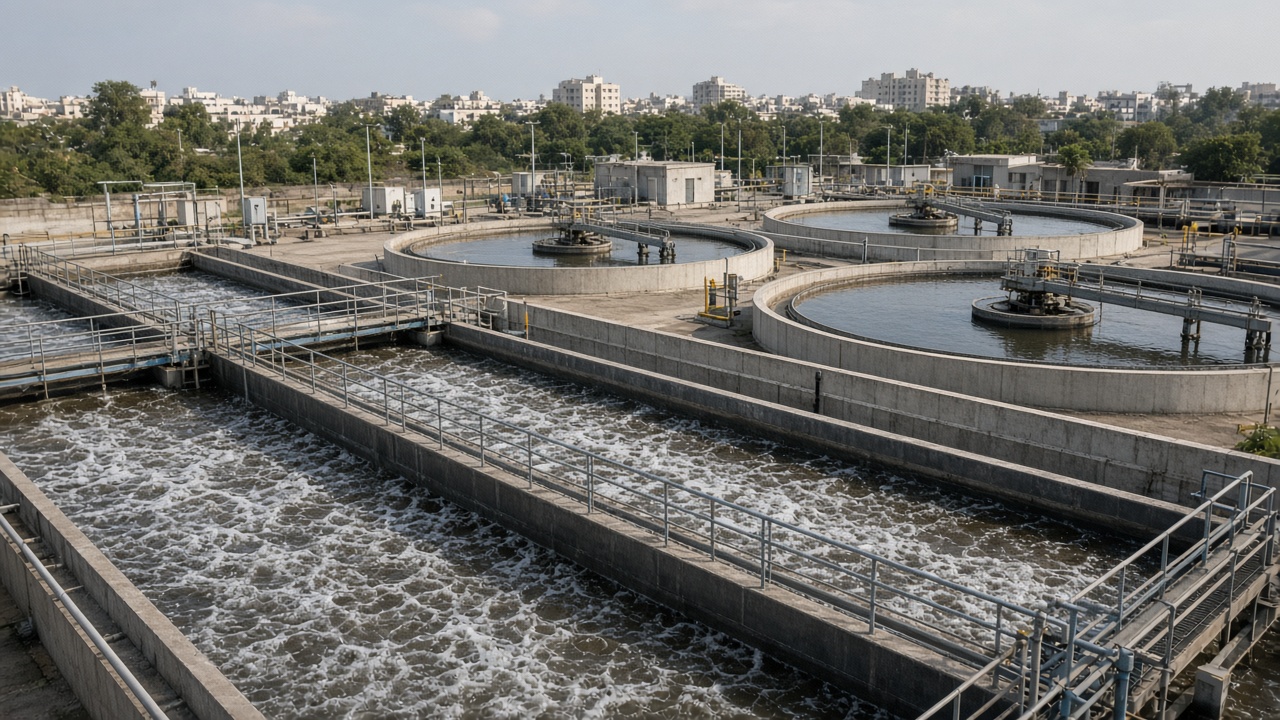
A Sewage Treatment Plant (STP) treats domestic wastewater from toilets, kitchens and laundry — unlike an ETP focused on industrial process effluent. In Bengaluru and across Karnataka, apartment associations, IT parks, hotels, hospitals and townships operate STPs because sewer capacity, consent conditions or reuse goals require on-site treatment before discharge or reuse.
What Is a Sewage Treatment Plant?
An STP is engineered infrastructure that removes solids and organic pollution from sewage so outlet quality can meet applicable standards and consent conditions. Common process families include activated sludge, extended aeration, SBR and MBBR variants — selection depends on footprint, load variability and O&M capacity.
Why STPs Are Required
Drivers include KSPCB consent conditions for sewage generators above applicable thresholds, municipal connection limits, water reuse for flushing and landscaping, and odour / public-health control in dense urban settings. Occupancy growth without STP upgrade is a frequent inspection topic in Bengaluru Urban.
How an STP Works
Screening
Removes rags, plastics and grit that would damage pumps and clog reactors.
Equalisation
Buffers peak morning and evening flows so biology sees a steadier load.
Biological treatment
Microorganisms consume organic matter (typically tracked as BOD/COD). Dissolved oxygen, MLSS and sludge age must be controlled.
Clarification
Separates biomass from treated water; return and waste sludge streams matter as much as the reactor.
Tertiary treatment
Filtration or polishing steps improve clarity and support reuse where designed.
Disinfection
Reduces pathogens before discharge or reuse as conditioned.
Sludge management
Desludging, dewatering and authorised disposal or reuse pathways — neglected sludge sinks plants.
STP Capacity and Design Considerations
Size for peak population and peak hour, not only average brochure occupancy. Account for infiltration in old collection networks, future tower additions, and kitchen grease loads. Undersized equalisation is a classic Bengaluru apartment failure mode.
STP Operation and Maintenance
Needs trained operators, power backup, spare diffusers, chemical inventory and service contracts. STPs fail silently when DO drops, MLSS crashes or chlorine dosing stops. Log flow, energy, sludge withdrawal and outlet tests.
STP Compliance
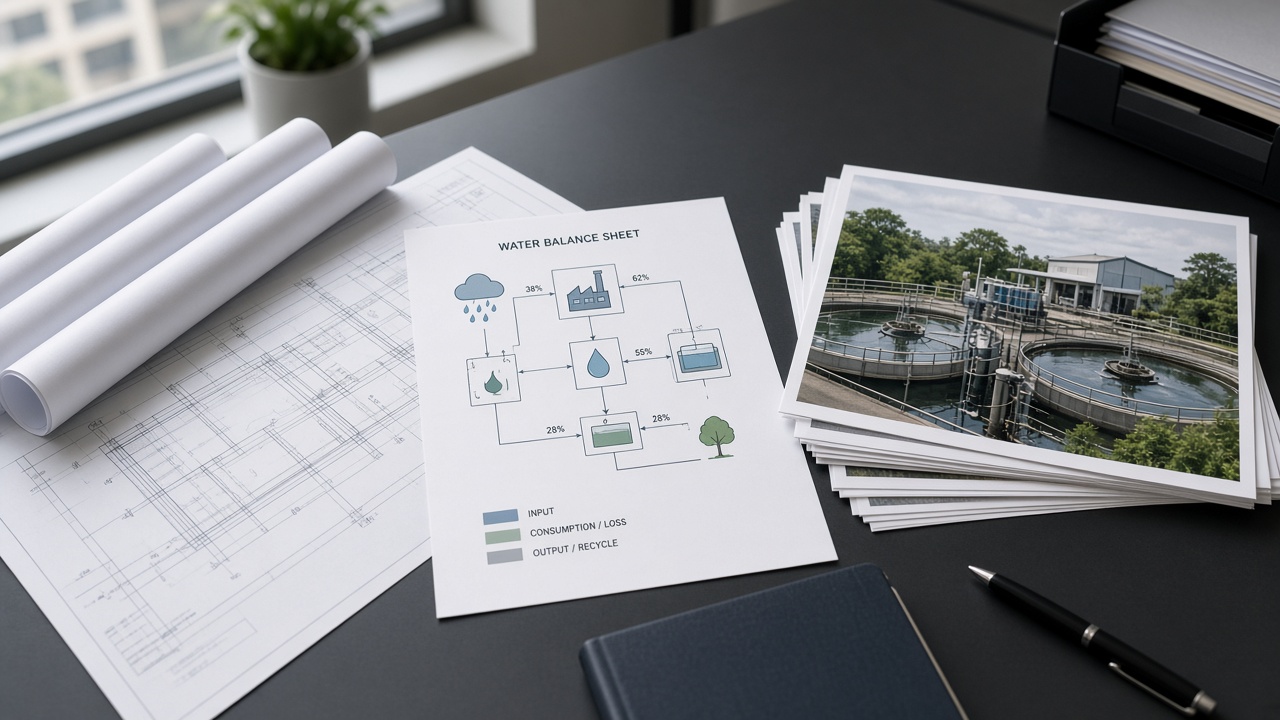
KSPCB consent typically covers design capacity, outlet standards, monitoring and related conditions. Keep orders, lab reports and desludging records inspection-ready. Align claims of “100% reuse” with actual plumbing and water balance. STP compliance in Karnataka is an operating discipline — not a civil completion certificate.
STP vs ETP
| STP | ETP | |
|---|---|---|
| Wastewater type | Domestic sewage (toilets, kitchens, laundry) | Industrial process effluent |
| Typical sites | Apartments, campuses, hotels, hospitals | Factories and process industries |
| Design driver | Occupancy / peak hour sewage | Process chemistry and peak wash loads |
| Related guide | This page | What is an ETP? |
Many industrial campuses need both — STP for domestic sewage and ETP for process streams. Do not route incompatible industrial chemistry into an STP designed for sewage.
Treated Wastewater Reuse
Reuse for flushing, landscaping or cooling makeup can cut freshwater demand when quality, dual plumbing and consent allow. Do not assume reuse exempts you from monitoring or from proper sludge handling.
When to Consult an STP Engineer
Call for assessment when outlet quality trends fail, odour complaints rise, occupancy has outgrown design, or consent renewal is approaching with thin records. IE-RISE: STP consultancy in Bangalore.
Common questions
What is the difference between STP and ETP?
STP treats domestic sewage; ETP treats industrial process effluent. Many campuses need both. See the ETP guide for process wastewater.
Does an apartment STP need KSPCB consent?
Many sewage generators above applicable thresholds interact with KSPCB consent rules. Verify applicability for your capacity and category — do not assume apartments are automatically exempt or automatically consented.
Official sources
Karnataka State Pollution Control Board (KSPCB)
consent, inspection and compliance communications
Central Pollution Control Board (CPCB)
industry categorisation and national guidance referenced by state boards
Water (Prevention and Control of Pollution) Act, 1974 and Air (Prevention and Control of Pollution) Act, 1981
primary statutory frameworks for consent (verify current text and rules)
Environment (Protection) Act, 1986
umbrella framework for related rules where cited
Always verify current application fields, fees and checklists on the live KSPCB portal for your category