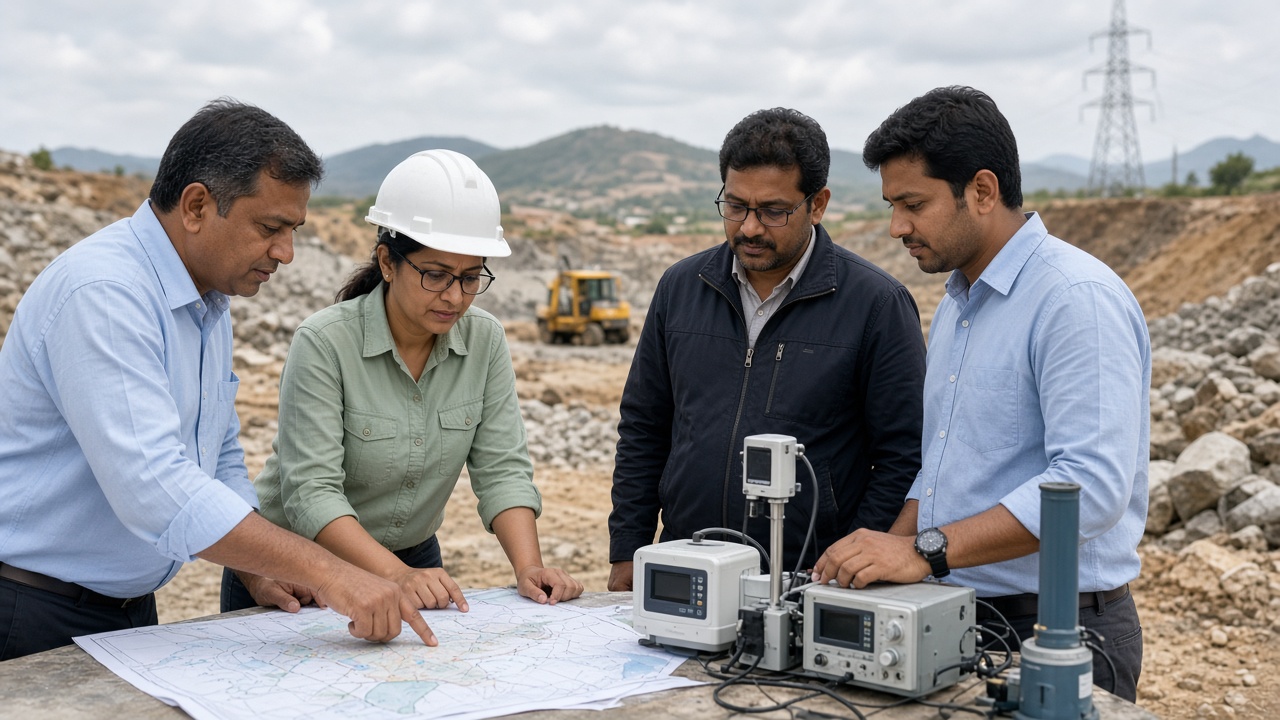

Post-Environmental Clearance (post-EC) compliance means living up to the conditions in the Environmental Clearance letter after grant — implementing the Environmental Management Plan (EMP), conducting environmental monitoring, submitting compliance reports as directed, and retaining evidence. Receiving EC is a midpoint, not the finish line.
In Karnataka, post-EC work often intersects with SEIAA Karnataka reporting expectations, MoEFCC regional processes where applicable, filings associated with PARIVESH where prescribed, and parallel KSPCB operational consent. Lenders and ESG due diligence increasingly ask for compliance proof, not only the PDF of grant.
What Is Post-EC Compliance?
Post-EC compliance is the set of ongoing duties that begin when EC is granted (or as conditions specify) and continue while those conditions apply. Validity — how long the clearance itself remains in force — is a different question, answered below. Compliance typically includes:
- Implementing construction- and operation-phase EMP measures
- Installing and operating pollution-control systems before or as conditioned for commissioning
- Monitoring air, water, noise, ecology or other parameters as ordered
- Submitting periodic compliance reports (often six-monthly where prescribed)
- Keeping records that prove each condition was met
It is not the same as writing the EIA. The EIA informed the decision; post-EC proves you are executing the decision.
Environmental Clearance Validity
How long is Environmental Clearance valid? There is no single period that applies to every project. Validity is how long the clearance remains in force. Post-EC compliance is what the proponent must do during that period. A monitoring report does not extend validity, and an expired clearance is not cured by a tidy condition register.
The principal instrument is the EIA Notification, 2006 (S.O. 1533(E), 14 September 2006). Paragraph 9 was substituted by S.O. 1807(E) dated 12 April 2022. The PARIVESH compilation “EIA Notification 2006 and subsequent amendments”, as amended up to July 2026 sets out that substituted text. The compilation itself says the Gazette prevails if the two differ. Read the EC letter for the project in hand.
In that compilation, paragraph 9 distinguishes project classes:
- River valley projects (Schedule item 1(c)): thirteen years
- Nuclear power projects and processing of nuclear fuel (item 1(e)): fifteen years
- Other projects and activities, other than mining and the classes above: ten years
- Area development projects and townships (item 8(b)): the ten-year period is limited to activities that are the developer’s responsibility
- Mining projects: the life in the approved mining plan, subject to a maximum of thirty years, counted from execution of the mining lease; a further extension mechanism exists and is not automatic
For non-mining projects, the compilation counts validity from the grant (or deemed grant under the notification) to the start of production, or to completion of construction for construction projects in item 8 of the Schedule.
An extension, where the notification allows one, requires an application in the prescribed form within the existing validity. The maximum extension in that text is two years for river-valley projects, five years for the nuclear class, and one year for other projects. It is a decision of the regulatory authority, not a right that arises from filing. Paragraph 9A of the same compilation excludes 1 April 2020 to 31 March 2021 from the validity calculation because of COVID-19 lockdowns; that is a calculation rule for clearances already granted, not a new universal period.
If your letter states a different period, or a later Gazette has amended paragraph 9 after July 2026, follow the letter and the Gazette. Do not treat the numbers above as a promise that a particular Bengaluru project has thirteen, fifteen, ten or thirty years left.
Condition Register
Treat every general and specific condition as a row in a live register:
| Field | Why it matters |
|---|---|
| Condition text / number | Traceability to the EC letter |
| Owner | Named person, not “EHS team” vaguely |
| Evidence type | Photo, lab, invoice, report, training log |
| Frequency / due date | Calendar visibility |
| Status | Open / closed / overdue |
| Linked EMP clause | Connects to implementation |
Board or project steering reviews should see red/amber rows — not a forgotten folder.
Monitoring
Monitoring proves that impacts remain within what was assessed and conditioned. Good practice:
- Align EC monitoring points with maps submitted at appraisal
- Use methods and labs appropriate to the parameters
- Investigate outliers; do not only file passing sheets
- Where feasible, mirror parameters in plant SCADA / lab schedules used for KSPCB consent so one validated data system feeds both
| Parameter example | Location | Frequency (as ordered) | Owner | Action if out of range |
|---|---|---|---|---|
| Ambient / stack / effluent as conditioned | Per EC maps | Per EC letter | Lab coordinator | Investigate; correct; notify as required |
Replace examples with your EC letter — do not invent frequencies.
EMP Implementation
The Environmental Management Plan is the operating manual for many EC conditions. Implementation means:
- Construction EMP items active during earthwork and camp phases
- Operational EMP items live before sustained production
- Named owners for each measure — not “consultant will handle”
- Budget lines for O&M, lab and plantation survival
Vague EMP language becomes post-EC failure. Prefer parameters, locations and frequencies that auditors can verify.
Reporting
Periodic compliance reports summarise status against each condition, attach monitoring summaries and describe corrective actions. Practical tips:
- Mirror the numbering of the EC letter so reviewers can tick conditions
- Separate facts from future promises
- Attach indexed annexures (lab reports, photos with dates, plantation survival counts, waste manifests)
- Keep portal acknowledgements and submission receipts
Late or empty reports are a common gap. Small, regular submissions beat frantic catch-up before an audit.
Archive / Evidence Retention
Maintain an evidence folder per condition (digital with clear naming). Useful artefacts include:
- Dated photographs of control systems and plantation
- Calibration certificates for instruments where relevant
- Lab reports with chain of custody
- Training and grievance logs where conditioned
- Correspondence on queries and amendments
When leadership changes, the register and evidence pack — not tribal memory — keep the project defensible.
Corrective Action
When monitoring or inspection finds a gap:
- Log the finding against the condition number
- Assign owner and interim control
- Fix root cause (process, equipment, SOP, training)
- Verify with evidence
- Update the next compliance report honestly
Common Post-EC Compliance Gaps
- Filing the EC letter and never opening the conditions register
- Installing ETP/APC late relative to commissioning conditions
- Monitoring for consent standards while ignoring EC-specific locations or frequencies
- Missing prescribed report cycles
- Capacity creep or technology change without amendment
- Public-consultation promises forgotten after the hearing
- No named owner or budget for EMP O&M
- Contradictory data between EC reports and KSPCB renewal files
Post-EC compliance checklist
After grant
- Condition register created within days of grant
- Owners and due dates assigned
- Design-change screen for amendment need documented
EMP implementation
- Construction EMP items owned during earthwork / camp phases
- Operational EMP items live before sustained production
- Budget lines for O&M, lab and plantation survival confirmed
Environmental monitoring after EC
- Monitoring calendar aligned to EC + consent where overlapping
- Stations and methods match maps submitted at appraisal
- Outlier investigation SOP named
Six-monthly compliance reporting
- Report drafting window diarised before each due date
- EC letter numbering mirrored in the report
- Indexed annexures (lab, photos, plantation, waste) ready
- Portal acknowledgement / submission receipt retained
Evidence and CAPA
- Evidence archive structure live
- Corrective-action tracker linked to findings
What happens if EC conditions are not followed?
Non-compliance with EC conditions can trigger queries, directions, show-cause style enforcement, lender issues and, in serious cases, further regulatory action under applicable law — subject to due process and the facts. Treat conditions as operational duties, not optional ESG messaging.
Related reading
For help turning a granted letter into a condition register, see Environmental Clearance support.
Common questions
Does EC end when the letter is issued?
No. Post-EC compliance — EMP implementation, monitoring and reporting as prescribed — continues while the conditions apply. That duty is not the same thing as the validity period of the clearance.
How long does Environmental Clearance remain valid?
There is no single validity period for every project. In the EIA Notification, 2006, paragraph 9, as substituted by S.O. 1807(E) dated 12 April 2022 and reflected in the PARIVESH compilation amended up to July 2026, the period depends on project class: thirteen years for river-valley projects, fifteen years for nuclear power and nuclear-fuel processing, the approved mining-plan life up to thirty years for mining, and ten years for other projects. Area-development and township clearances limit that ten-year period to the developer’s responsibilities. Extensions are not automatic. Read the EC letter and the Gazette text if they differ from the compilation.
What happens after environmental clearance?
Build a condition register, implement EMP measures, run prescribed monitoring, file periodic (often six-monthly) compliance reports, and retain evidence.
Official sources
PARIVESH
EC/EIA application workflow, notifications and compliance reporting
Ministry of Environment, Forest and Climate Change (MoEFCC)
EIA Notification framework and amendments
EIA Notification, 2006, consolidated as amended up to July 2026 (PARIVESH)
compilation only; the Gazette text prevails if they differ
EIA Notification, 2006, S.O. 1533(E) dated 14 September 2006, paragraph 9 as substituted by S.O. 1807(E) dated 12 April 2022 in that compilation
validity differs by project class
SEIAA Karnataka
state-level appraisal pathway where Category B applies
Confirm current schedule entries, forms and ToR practice on official channels before filing