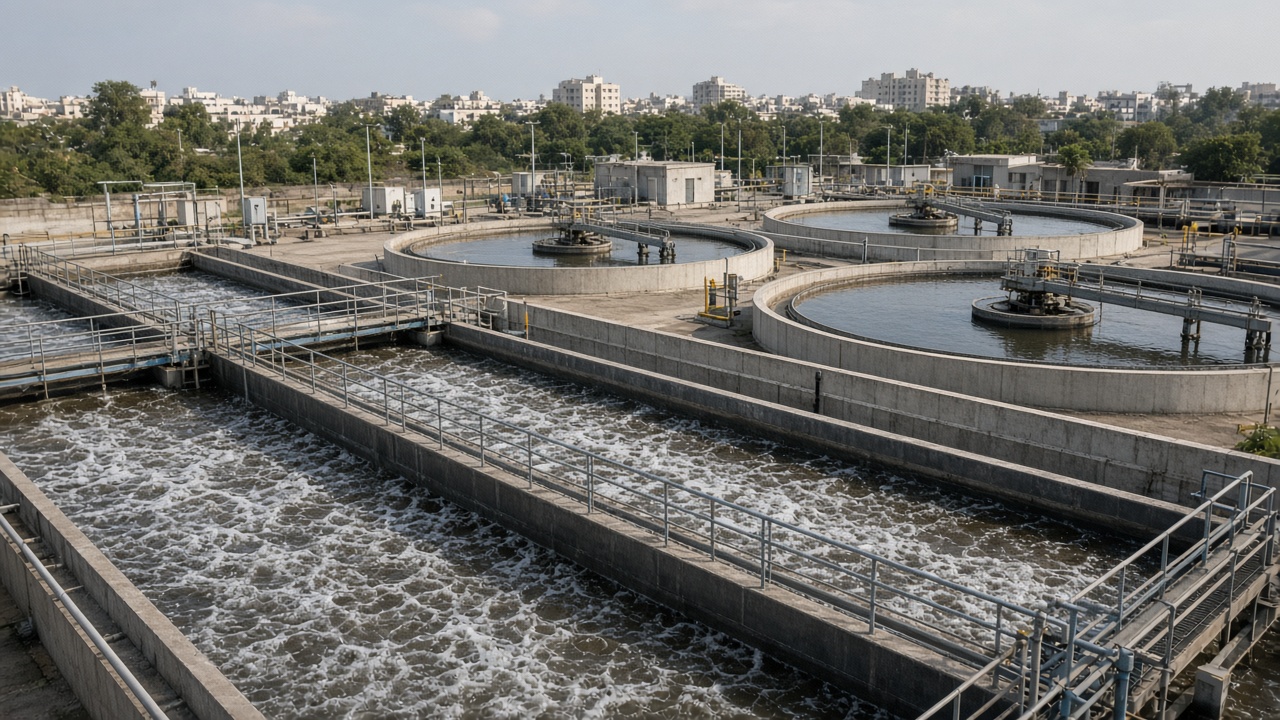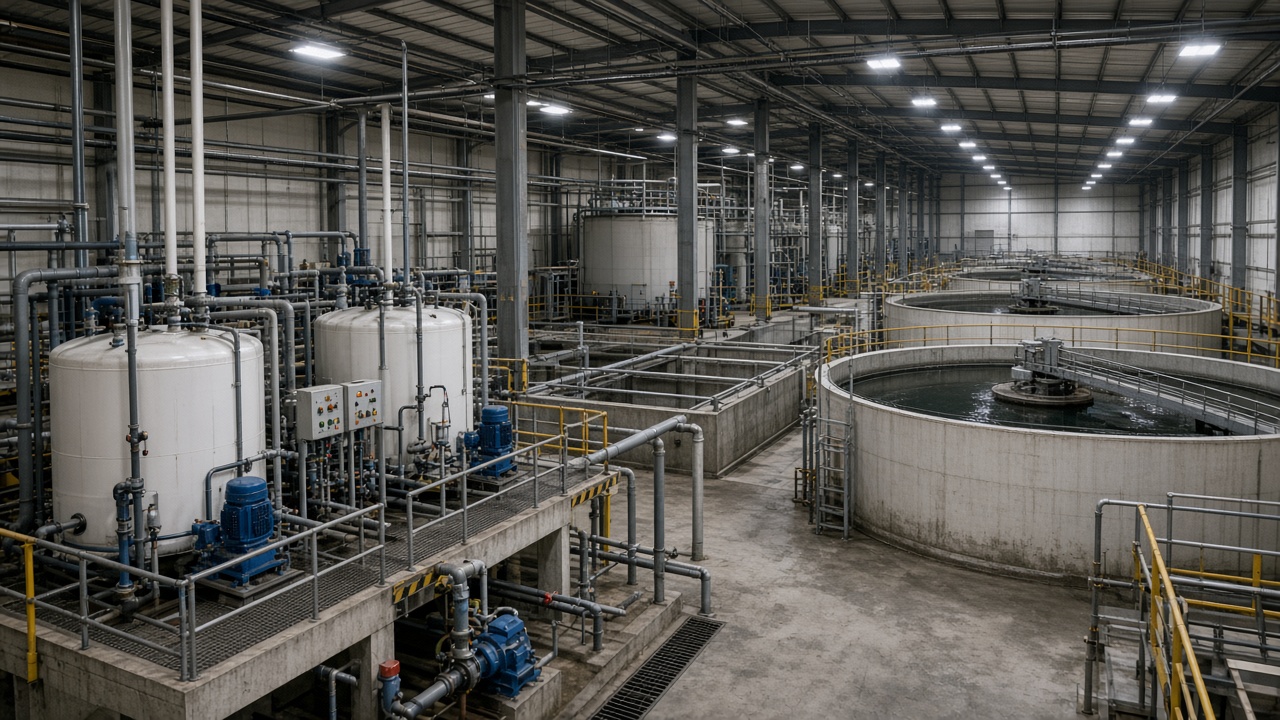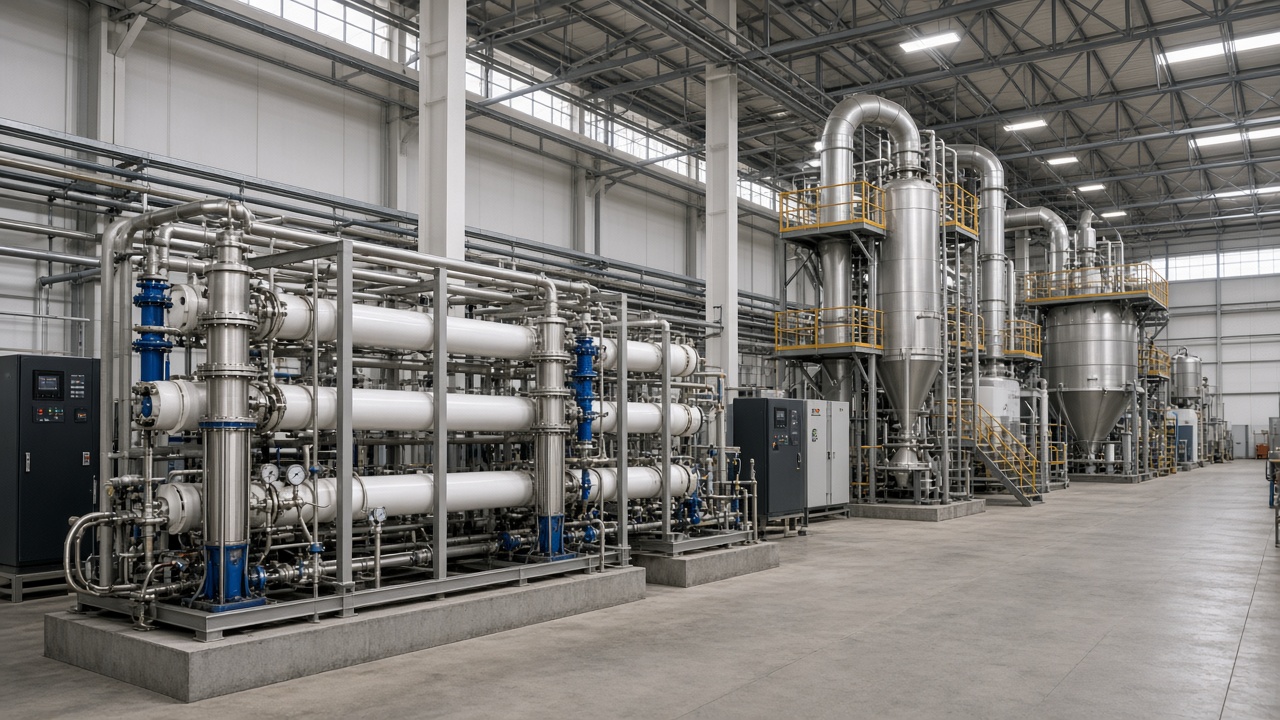
Festival and temporary-site wastewater problems are peak-load problems. Cities and venues do not fail on the annual average day; they fail on the week when toilets, wash-bays and food or process wash-water overwhelm drains and tanks sized for a quiet Tuesday.
This briefing is for municipal officers, event contractors, facility operators and temporary-site managers. It is operational guidance for high-footfall and licensed temporary activities — not a KSPCB consent tutorial.
Festival wastewater management checklist
Festival wastewater management plan
- Peak-hour and peak-day flow estimate frozen (not average-day only)
- Named owner for the wastewater plan
- Contractor brief issued with “no discharge to storm drain” rule
Temporary wastewater management
- Sealed toilets / holding tanks sized for overnight contingency
- Food / wash-bay grease and solids collection defined
- Overflow alarms or level checks assigned
STP / tanker routing
- Primary receiving STP / authorised facility confirmed in writing
- Backup receiver named
- Tanker routes and travel times mapped before opening day
- Manifest / acknowledgement process briefed to drivers
Close-out checklist
- Final tanker loads documented
- Temporary tanks and lines cleaned
- Pavements and drains restored
- Signed close-out by site owner / municipal counterpart
Peak flow is the design case
Estimate people, simultaneous toilet use, wash-water from kitchens or licensed temporary facilities, and cleaning cycles. Design storage and haulage for the peak hour and peak day, then add contingency for weather and delayed tankers. Average daily figures alone under-size everything that matters.
Temporary toilets and wash-water
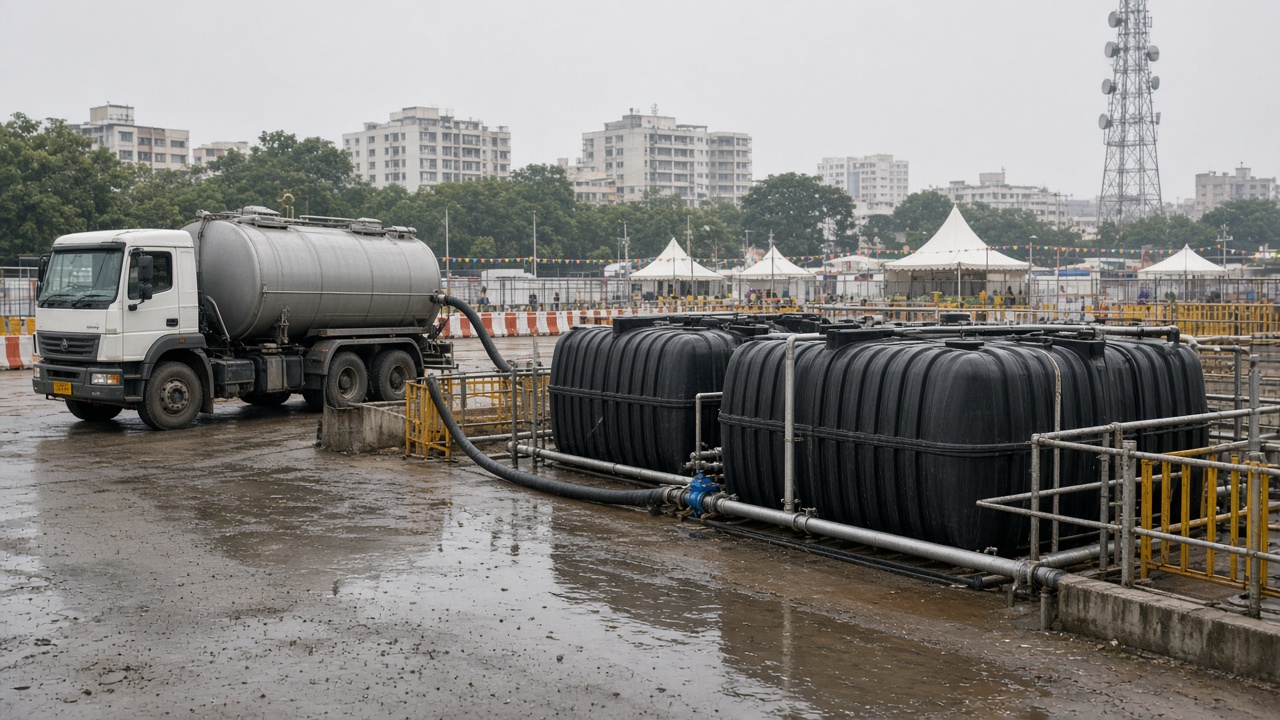
Temporary toilets need sealed holding or connection to a managed collection system. Wash-water from food stalls, animal-related licensed facilities where applicable, and cleaning bays often carries grease, solids and high organic load. Open drains and street washing into storm lines are common failure modes.
Provide:
- defined collection points
- closed tanks or sealed tankers — not open pits
- grease and solids management where food waste is present
- clear “no discharge to storm drain” rules for contractors
Containment and tank sizing
Holding capacity must cover overnight periods when roads are congested and STPs are not receiving. Size for fill rate × response time, not for an empty tanker always waiting at the gate. Level indicators and overflow alarms beat visual guesswork at 2 a.m.
Tanker logistics
Map routes before the event: pickup points, travel time, authorised receiving facilities, and backup receivers if the primary STP refuses a load. Brief drivers on paperwork and sample expectations. A tanker without a confirmed inlet is not a wastewater plan.
Receiving STP capacity
Confirm that the receiving sewage treatment plant (or other authorised facility) can accept the volume and character of the load within its operating and consent constraints. Sudden festival tanker queues can disrupt municipal STPs if unscheduled. Coordinate in writing where possible — capacity conversation first, trucks second.
Related reading: What is an STP?
Documentation
Keep a simple operations log: tank levels, tanker trips, receiver acknowledgements, incidents and corrective actions. Photographs of containment before opening and after close-out help more than verbal assurances later.
Site restoration and close-out
When stalls come down, wash-water and residual solids must leave with the event. Document:
- final tanker loads
- cleaning of temporary tanks and lines
- restoration of pavements and drains
- sign-off by site owner / municipal counterpart
Unclosed temporary connections are how “one festival week” becomes a months-long pollution complaint.
Responsibilities
| Role | Typical responsibility |
|---|---|
| Event / site organiser | Overall wastewater plan, contractor brief, close-out |
| Sanitation contractor | Toilets, tanks, cleaning, spill response |
| Tanker operator | Routing, manifests, receiver confirmation |
| Receiving facility | Acceptance criteria, capacity windows |
| Municipal / facility officer | Oversight, access, complaint handling |
Write names, not only company logos. Peak weeks fail when everyone assumes someone else owns the overflow.
Risk controls
| Risk | Failure mode | Control |
|---|---|---|
| Peak toilet load | Overflow to street / drain | Peak-based tank sizing; spare capacity |
| Wash-bay discharge | Blood, grease or organics to storm line | Closed collection; ban on open washing |
| Tanker delay | Overnight overflow | Contingency tanks; second receiver |
| Wrong receiver | Rejected load; illegal dump risk | Pre-agreed acceptance; backup STP |
| No close-out | Residual pollution after event | Signed restoration checklist |
| Untrained crew | Bypass “for speed” | Briefing + spot checks |
Planning questions before the event
- Where does wash-water sit overnight?
- Which STP or authorised facility has capacity and will accept the load?
- Who signs that the site was restored?
- What is the spill response within the first 30 minutes?
That is environmental management for a real Indian event calendar — logistics under time pressure, not theology.
Planning wastewater management for a temporary or high-footfall site? Discuss capacity and compliance requirements with IE-RISE via Contact or wastewater treatment consultancy.